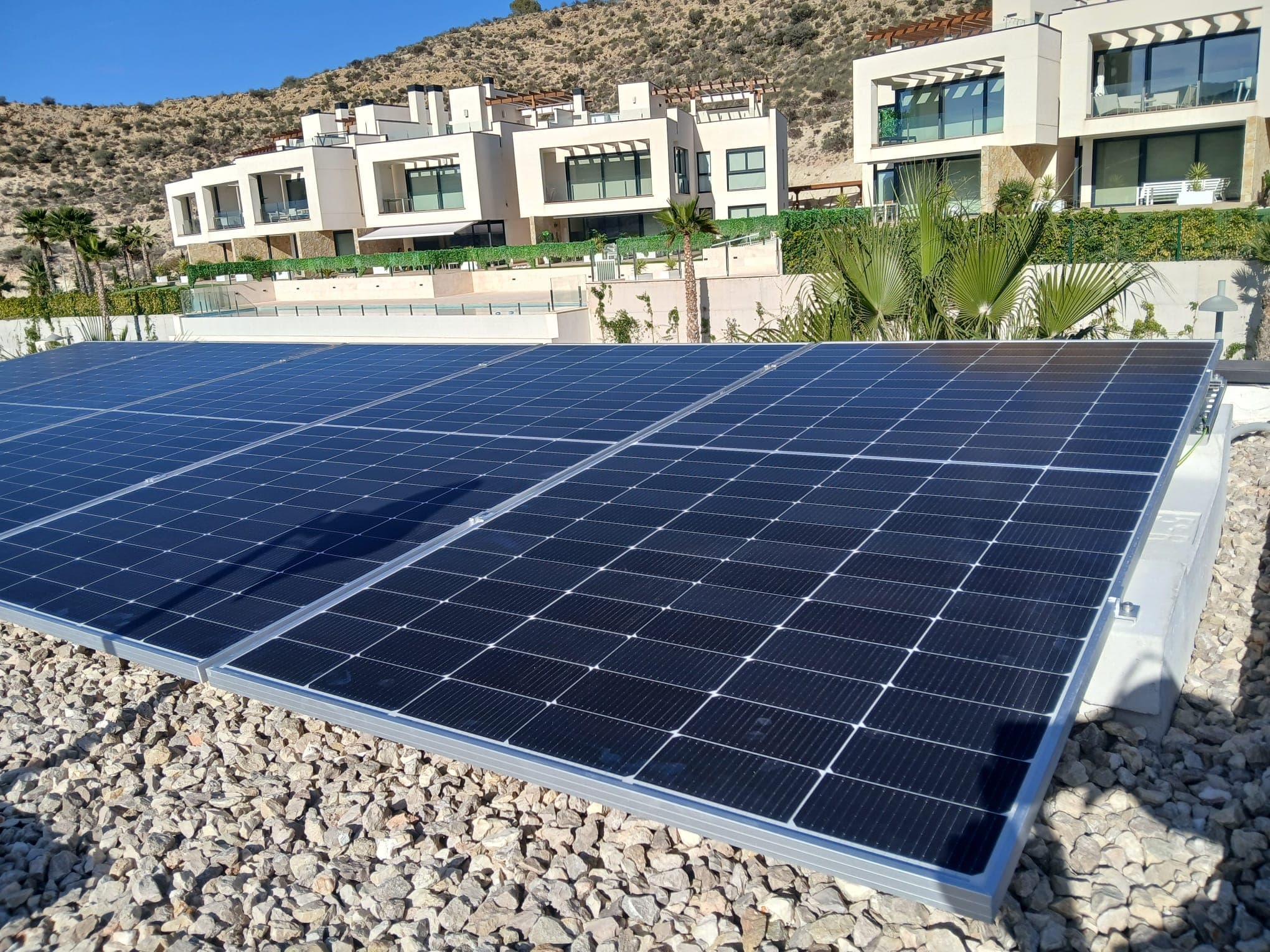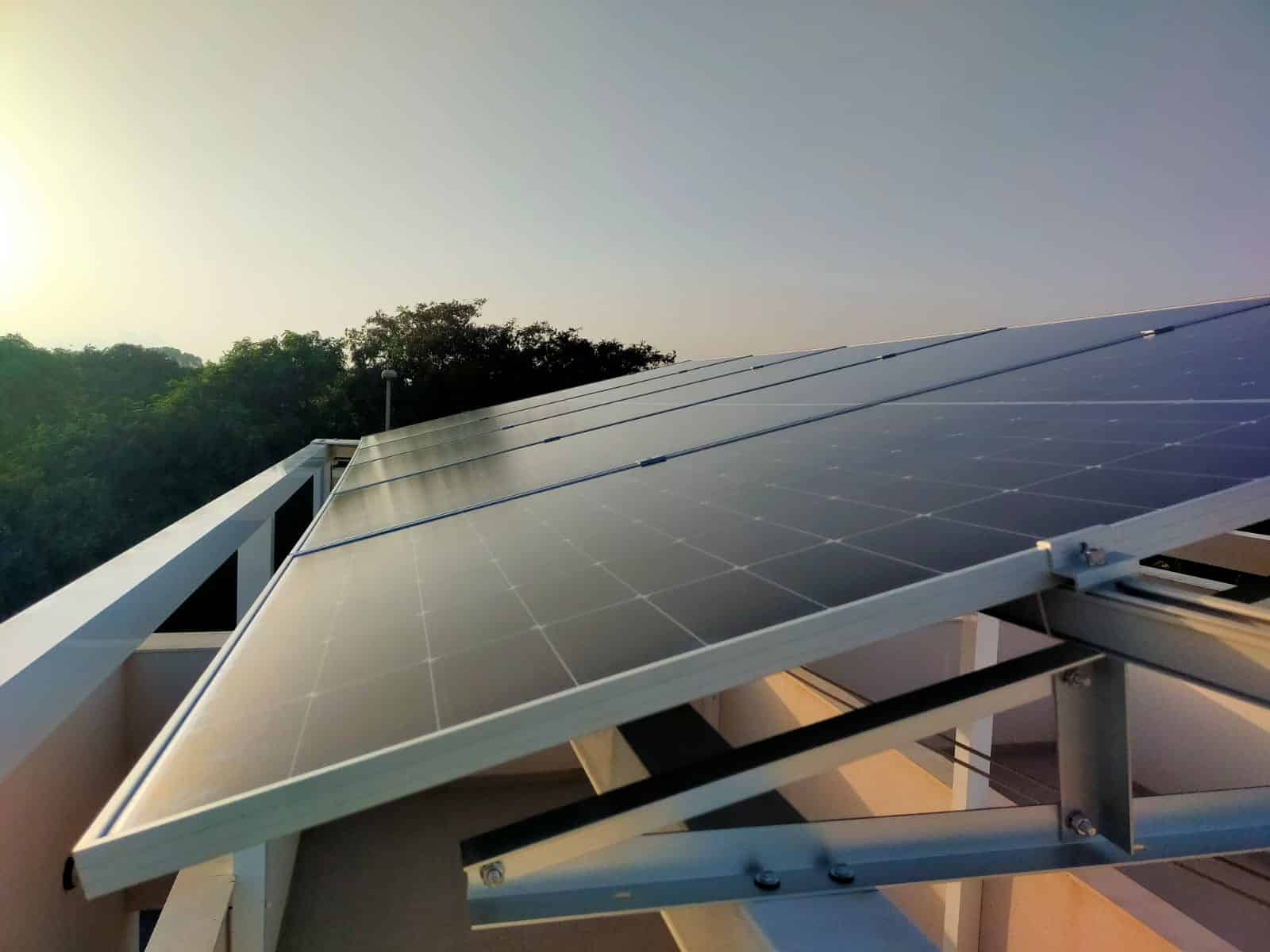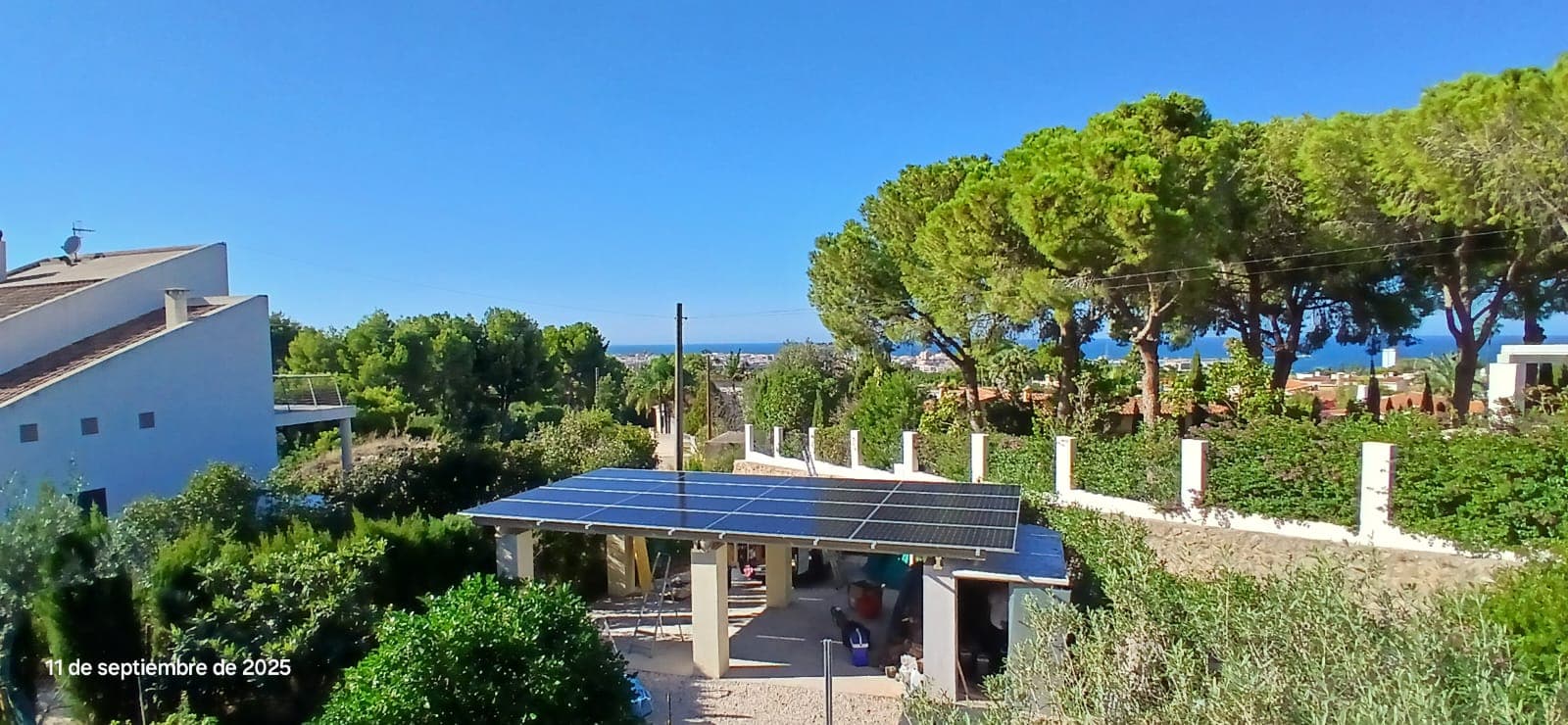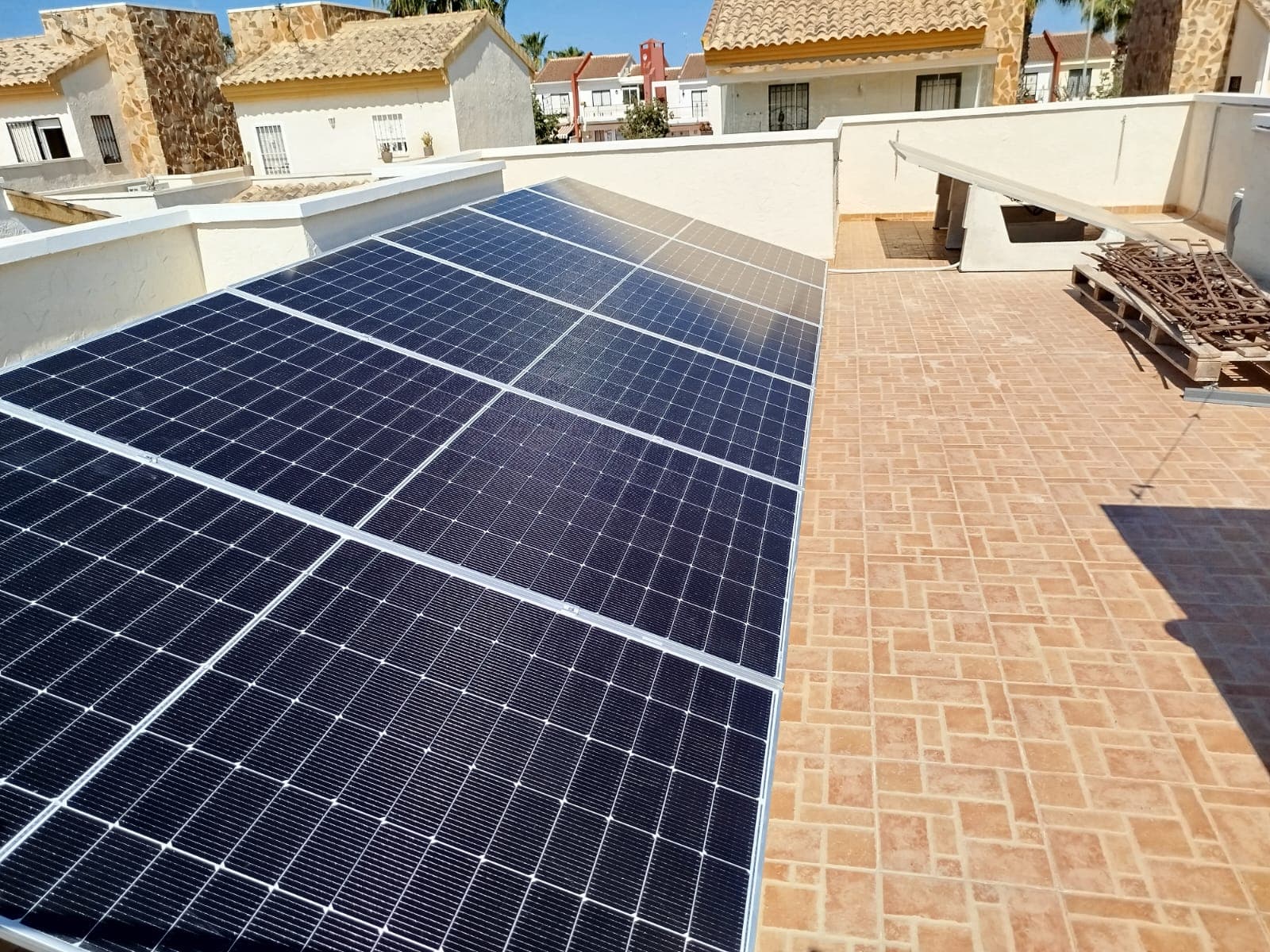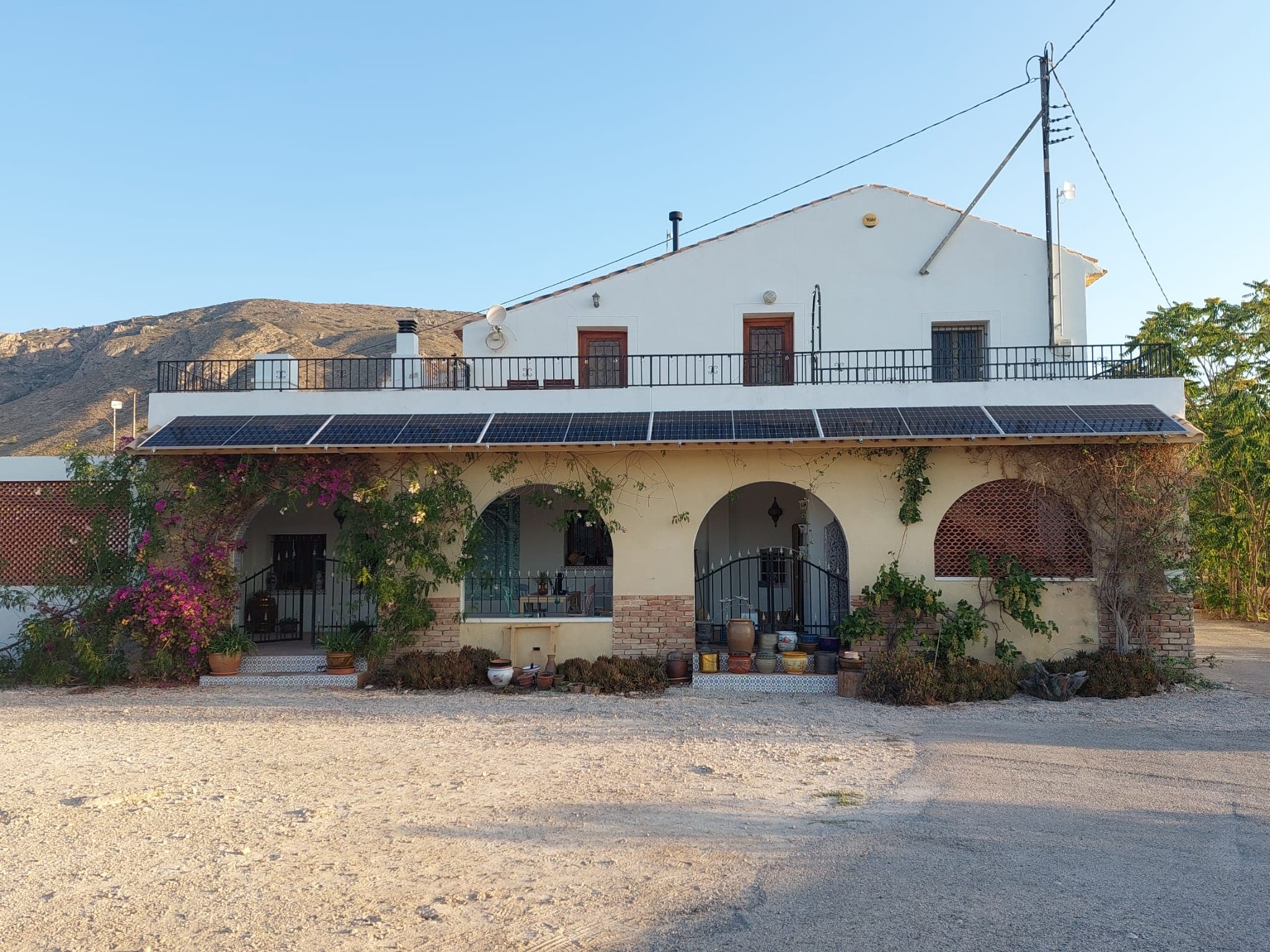
Many of the houses we look at on the Costa Blanca are second homes. Some are used a few weeks a year, some all winter, some rented out in summer. Whether solar panels make sense on a house like that depends far less on the sunshine, which is there either way, and far more on when somebody is using electricity.
This guide is about that question. For the general sums of cost and value, read are solar panels worth it in Spain; for houses with a pool and air conditioning, see solar panels for villas with pools and air conditioning.
Why occupancy matters more than sunshine
Solar panels make electricity during the day, every day, whether you are there or not. The value comes mainly from electricity you use in the house at the moment it is made, because that is power you no longer buy. What you do not use goes to the grid, and under Spain’s self-consumption rules that surplus is worth less to you than the power you avoid buying. We explain how that works in selling excess solar electricity in Spain.
So an empty house with panels still produces, but most of the production is exported. The question is how much of the year somebody is using power in the daytime, and how much the house uses when nobody is there.
What an empty house still uses
A house that is closed up is rarely at zero. Look at your bills for the months you were away and you will usually find a steady base load. Typical sources:
- a fridge or freezer left running
- a pool pump and filtration on a timer, often the largest one
- a router, alarm, cameras or a smart thermostat
- a water heater or dehumidifier left on
- garden irrigation or a well pump
A pool pump that filters every day in summer is the kind of load that fits solar well, because it runs in daylight. The rest is small but constant.
Three patterns we see
Used a few weeks a year
The house is mostly empty and the base load is modest. Panels would export most of what they make. A small system aimed at the base load, or no system yet, can be the better answer. If you are thinking of moving over later, it can still be worth planning the roof and the inverter so panels can be added then.
Used through the winter
Many owners spend October to April on the coast. Winter days are shorter, but heating with a heat pump or air-conditioning units in heat mode, cooking and hot water all happen while the sun is up. This pattern usually uses a good share of the production, and the design leans towards the winter sun.
Used in summer, or rented out
Summer use brings the highest production and often the highest daytime use: air conditioning, the pool, more people in the house. If the house is let, the guests use the power, which changes who benefits. Whether there are tax consequences for a rental is a question for your gestor or tax adviser; we do not give tax advice.
Keeping an eye on it from abroad
The inverters we fit come with an app that shows what the panels produce, and you can check it from anywhere. For a second home that is useful in two ways: you see straight away if production stops, and you learn what the house uses while it is empty. We set up the app with you when the system is commissioned. More on reading it in how to monitor your solar panels.
Batteries on a second home
A battery stores daytime surplus for the evening. In a house that is empty most of the time there is little evening use to cover, so a battery is usually hard to justify on savings alone. Where a battery can matter is back-up during a power cut, for example to keep a fridge, alarm or pump running, but that needs a system built for back-up. See do you need a solar battery in Spain and do solar panels work during a power cut.
What a customer who lives abroad said
One customer who does not yet live in Spain full time wrote about the process:
“Clear communication, they keep to all their agreements. Really great for us because we don’t (yet) live in Spain permanently. 20 panels fitted, everything installed in one day.”
Sander Z., Google review, translated from Dutch
How we size it
We ask for a year of bills, ideally with the monthly or hourly consumption from your distributor’s online portal, and for how the house is used month by month. From that we size the system to what the house actually uses in daylight, not to the largest number of panels the roof can hold. As an estimate from EU PVGIS data for a roof near Alicante, a system produces roughly 1,550 kWh per kWp a year when it faces south at a good angle, and roughly 1,250 to 1,300 when it faces east or west. Anything we put on paper about savings is an estimate built on your own figures, and we show the assumptions.
If you want us to look at your house across the Costa Blanca, ask for a quote and tell us how you use it.