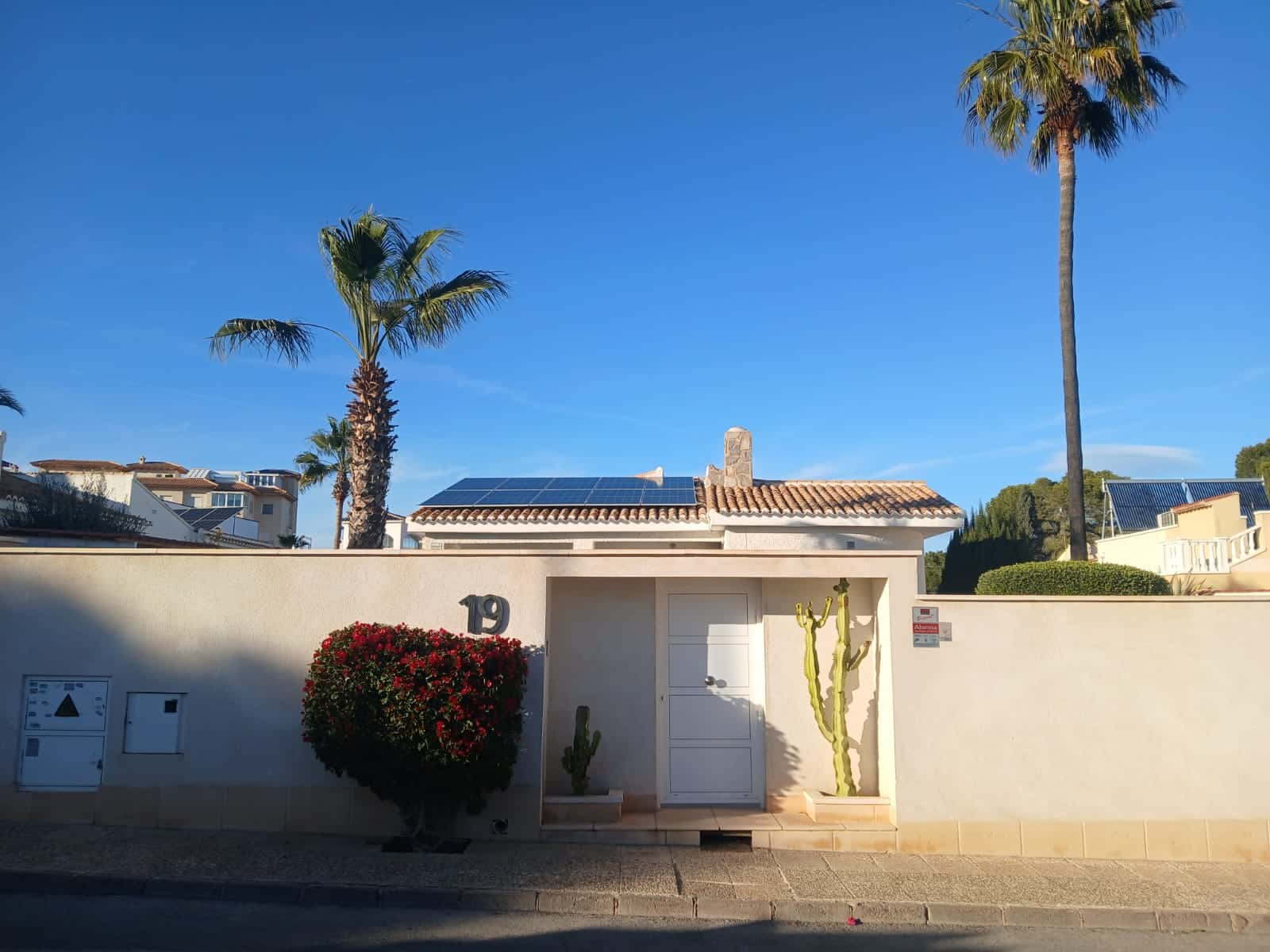
Solar panels suit many houses in Spain, but not all of them, and not always in the form the owner first had in mind. Part of a good survey is saying so. These are the situations where the answer is “not like this”, “not yet” or “not here”.
The value of panels comes from electricity you use as it is produced; exported power is worth less. So most of these cases come down to one of two things: too little daytime use, or too little sun on the panels. For the full sum, see are solar panels worth it in Spain.
Very low electricity use
If the house uses little power, there is little to replace. A small flat with gas cooking and no air conditioning may use so little in daylight that even a small system exports most of what it makes. A very small system, or none, can be the right answer.
A house that is mostly empty
A second home used a few weeks a year keeps producing while nobody is there. Unless there is a steady daytime load, such as a pool pump, most of the production goes to the grid. Solar panels for holiday homes goes into this.
Heavy shade
A roof that is in the shade of a taller building, trees or a hillside for much of the day produces far less than the averages suggest, especially in winter when shadows are long. Sometimes a smaller system on the sunny part of the roof, or panels on another structure, solves it. Sometimes nothing does.
A roof that needs work first
If the roof leaks, the waterproofing is at the end of its life or the structure is in doubt, putting panels on it now means taking them off again later. Repair or renew first, then install. Is your roof suitable explains what we look for.
You are selling soon
Panels pay back over years. If you plan to sell within a short time, you may not get the value back yourself. Whether a buyer values panels in the price is a question for your estate agent, not for us.
North-facing or very small roofs
A north-facing roof face produces much less than a south, east or west-facing one. On a small or broken-up roof, the number of panels that fit may be too small to be worth the fixed costs of an installation.
Protected buildings and restrictive communities
Listed buildings, protected historic centres and some urbanisations restrict panels, or where they can go. Sometimes a design that cannot be seen from the street is allowed; sometimes not. That has to be checked before anything else.
Redesign or poor fit?
Most of these are not a flat no. Many can be solved with a smaller system, a different location, moving use into daylight, or waiting until the roof is renewed. The table below sorts them.