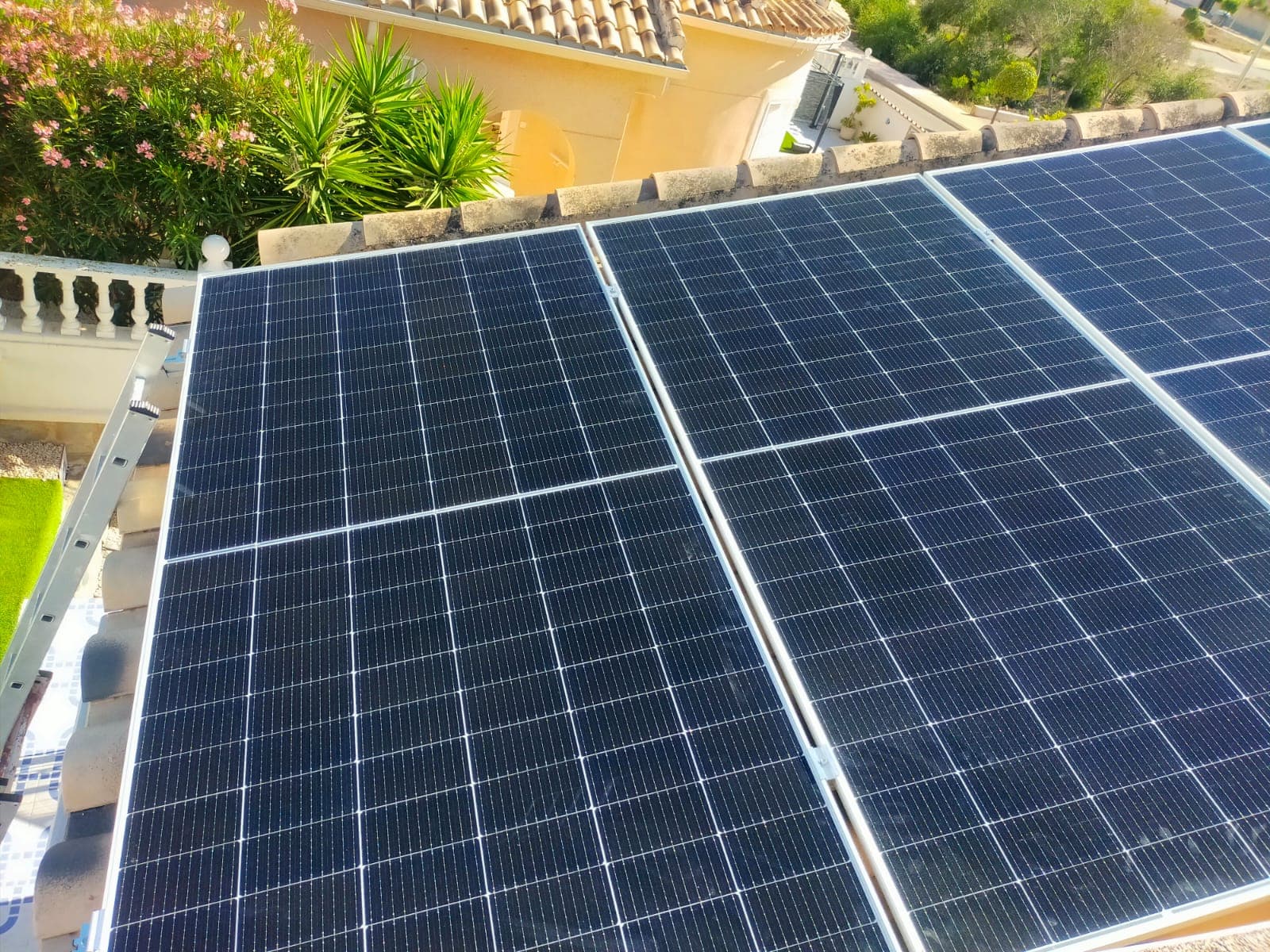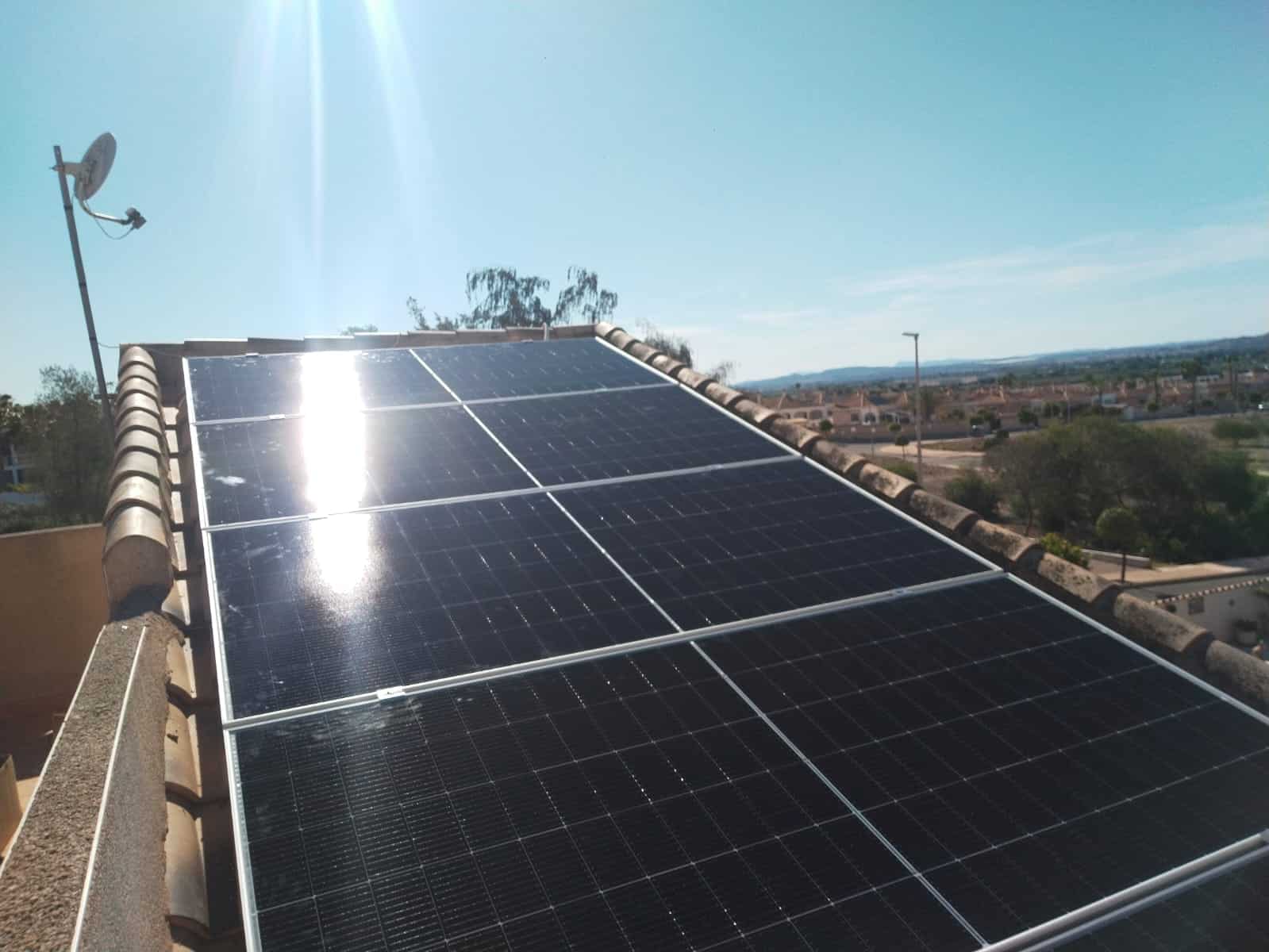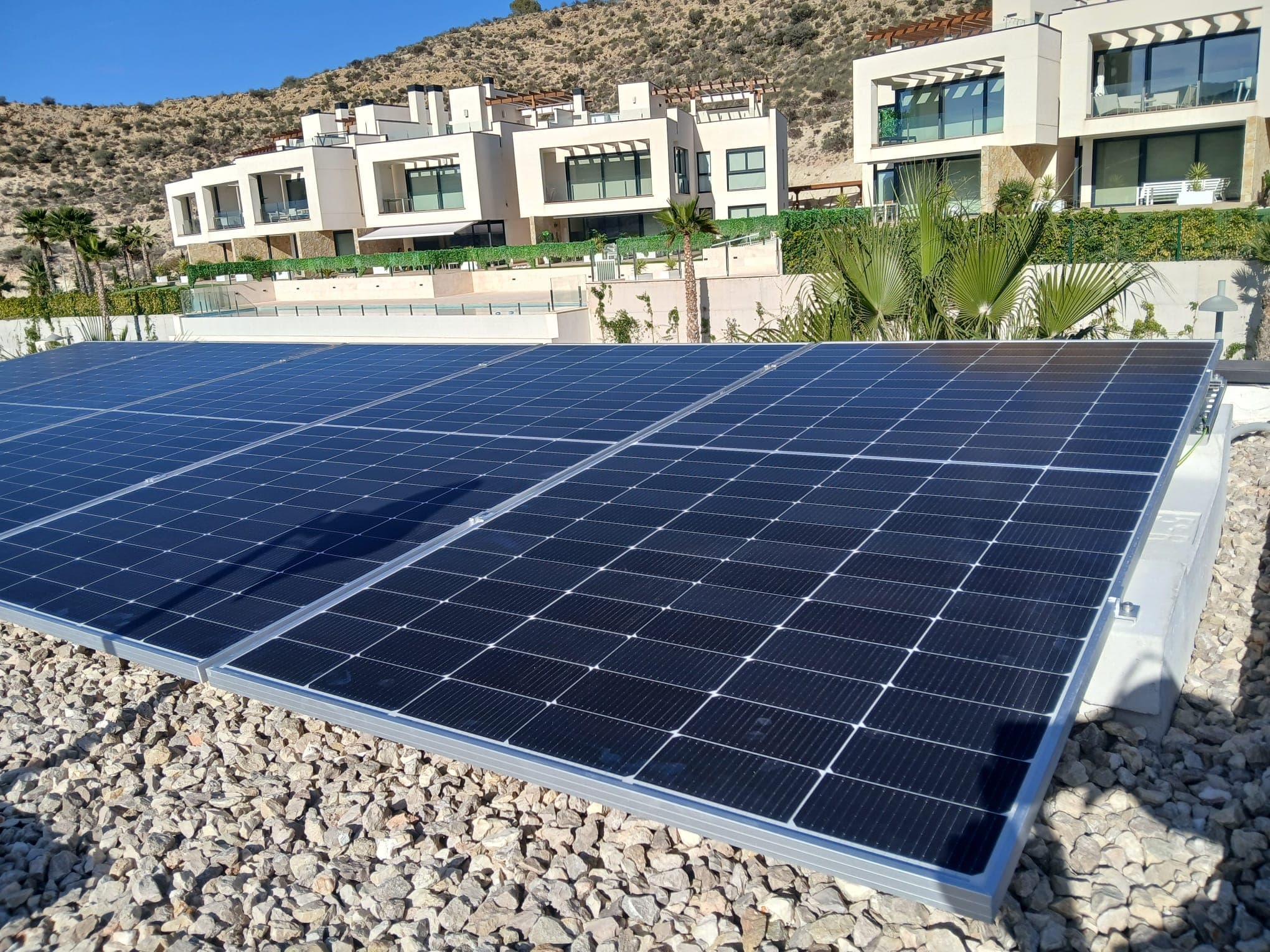
Solar panels generally operate for many years with stable performance, and the Spanish climate supports consistent long-term output. Warm temperatures and strong sunlight influence yearly production but do not prevent panels from achieving a long operational lifespan.
The Costa Blanca and Alicante region offers favorable conditions for solar energy because panels receive strong and regular sunlight. Lifespan depends on the durability of materials, inverter performance and how well components handle exposure to heat, wind and seasonal weather. Panels tend to degrade slowly over time, but their production usually remains reliable across decades.
How long do solar panels typically remain effective?
Panels are designed to operate for several decades with gradual reductions in efficiency.
Modern panels use durable materials that can withstand UV exposure, temperature changes and outdoor conditions. Their performance decreases slowly each year, but this decline is usually predictable. Even after many years, panels continue generating useful amounts of electricity. Homeowners benefit from a long period of stable output, especially in climates with consistent sunlight.
- Gradual yearly efficiency reduction.
- Durable materials support long-term use.
- Consistent sunlight extends productive years.
- Output remains usable long after installation.
This makes solar a long-term energy source.
How does heat affect panel lifespan?
High temperatures influence efficiency but do not necessarily shorten the operational lifespan.
Panels in Spain often face long summers with strong sunlight. While heat can temporarily reduce production, it does not typically damage the panel structure. Temperature coefficients describe how performance changes with heat, and modern panels are tested to handle these conditions. Proper airflow under the panels also helps moderate temperature buildup on the roof.
- Heat affects efficiency more than lifespan.
- Panels are tested for warm climates.
- Temperature coefficients help predict output.
- Ventilation improves long-term performance.
This ensures panels remain reliable in warm regions.
Do environmental factors impact longevity?
External conditions influence daily performance but have limited effect on structural lifespan.
Salt, dust and humidity are common in coastal regions such as Costa Blanca. These factors may require occasional cleaning or inspection but rarely damage the panel surface. Glass coatings and aluminum frames are designed to resist environmental wear. Regular observations help ensure that buildup does not reduce long-term efficiency.
- Coastal air introduces salt particles.
- Dust can reduce transparency if left unchecked.
- Frames resist corrosion effectively.
- Light cleaning supports stable output.
This allows panels to withstand coastal climates well.
How do inverters influence system lifespan?
The inverter usually has a shorter lifespan than the panels and may require replacement earlier.
While panels remain operational for long periods, inverters handle continuous electrical conversion. This makes them more sensitive to heat and usage patterns. Proper placement in shaded and ventilated areas helps support durability.
- Inverters manage electrical conversion.
- Heat influences inverter durability.
- Placement affects operating conditions.
- Replacement may occur during the system’s lifespan.
This ensures the entire system remains functional long term.
What role does maintenance play?
Light maintenance helps preserve both performance and longevity.
Most solar systems require minimal upkeep. Occasional cleaning and basic checks ensure components remain free from buildup or visible wear. Inverters may benefit from periodic inspection depending on their location. Overall, maintenance needs remain low, but attention to environmental buildup helps maintain a stable lifespan.
- Cleaning supports light transmission.
- Checks detect early irregularities.
- Inverters may need occasional inspection.
- Panels remain durable with minimal care.
This supports consistent long-term system performance.
Frequently asked questions
Do solar panels degrade quickly in hot climates?
No, panels are designed to withstand high temperatures. Heat may reduce efficiency temporarily but does not typically speed up degradation.
Does coastal air shorten the lifespan of panels?
No, panels use corrosion-resistant materials. Coastal air may increase cleaning needs but does not significantly affect lifespan.
Is inverter replacement normal during the system lifespan?
Yes, inverters usually need replacement earlier than panels. This is a standard part of long-term system operation.