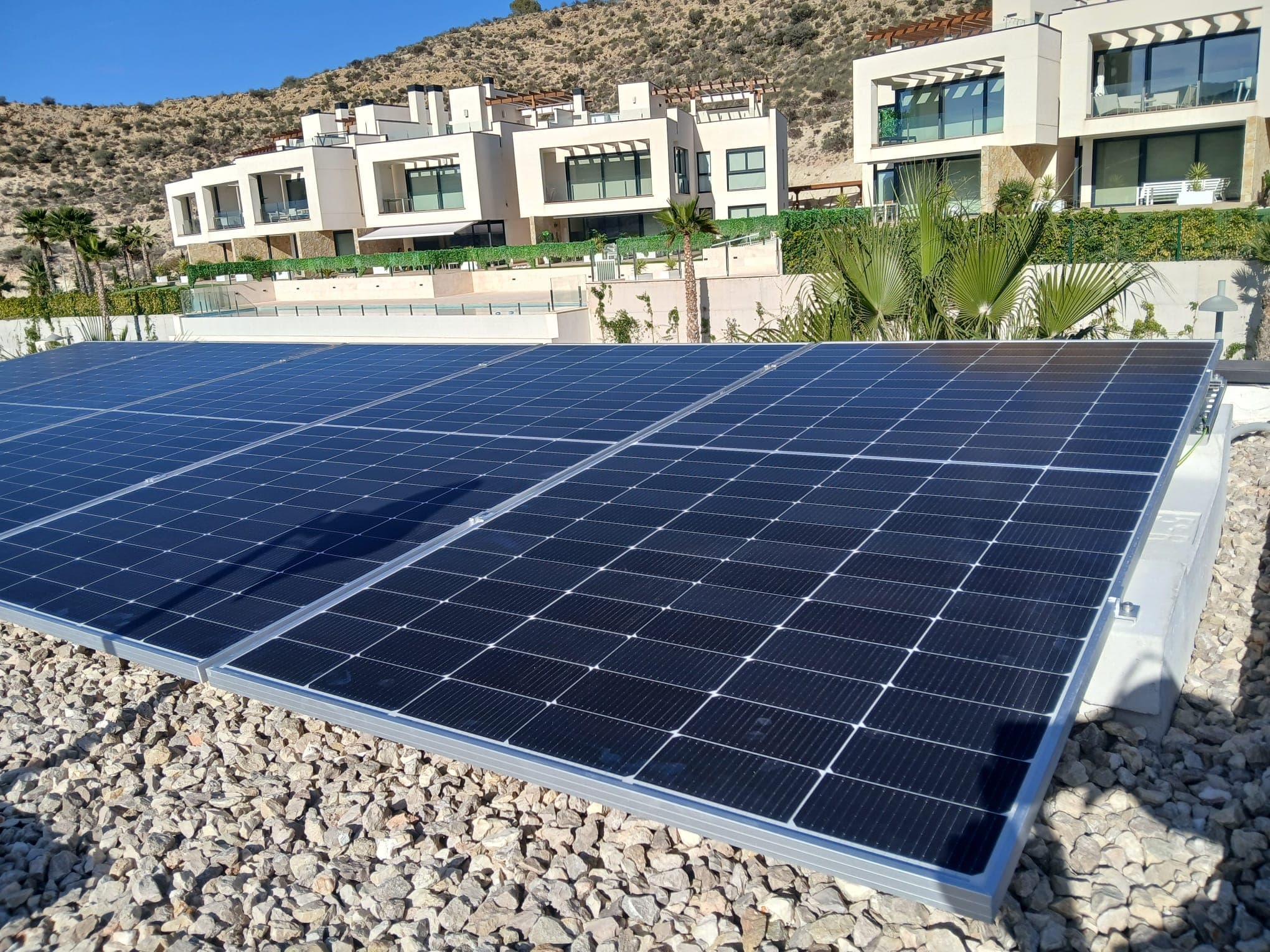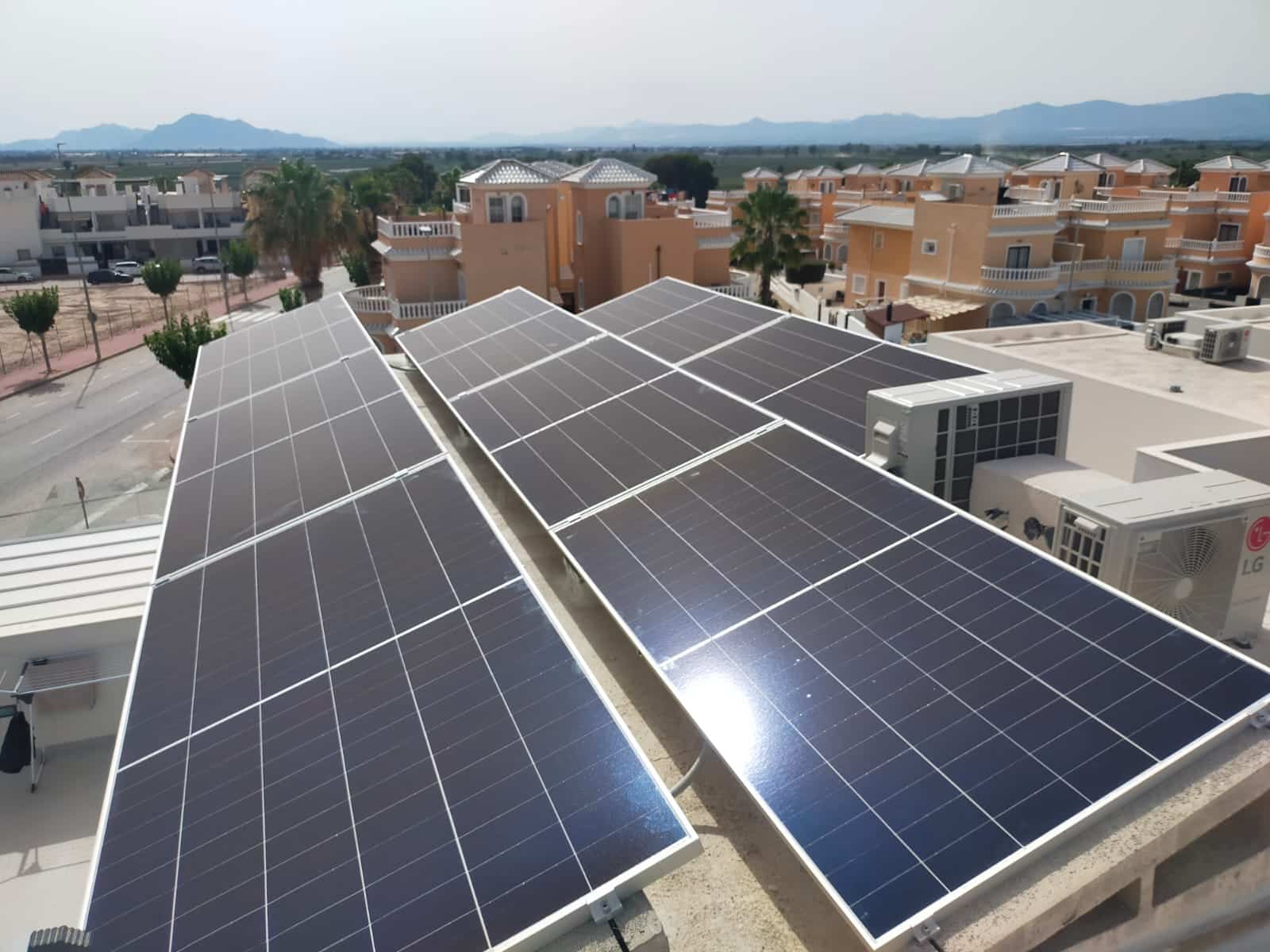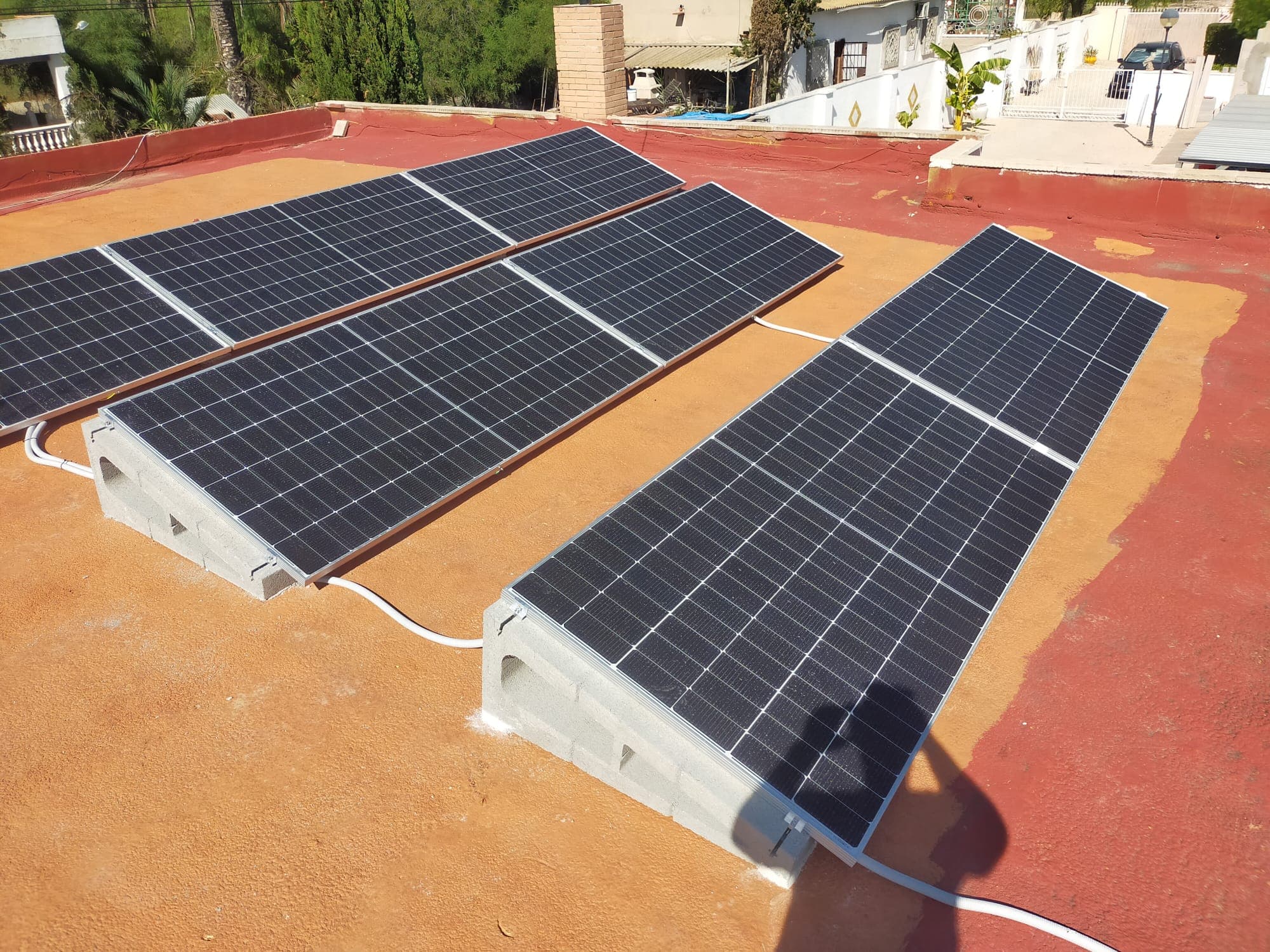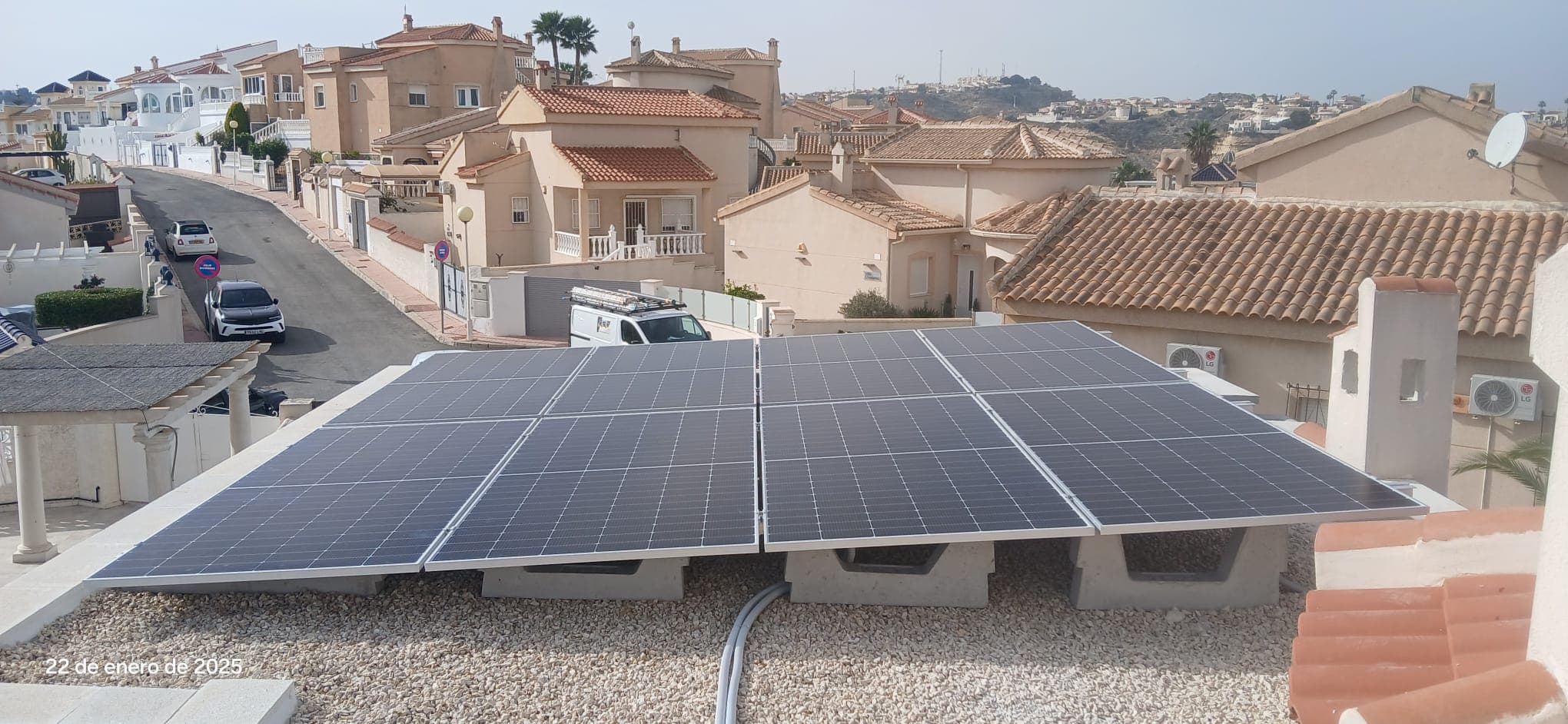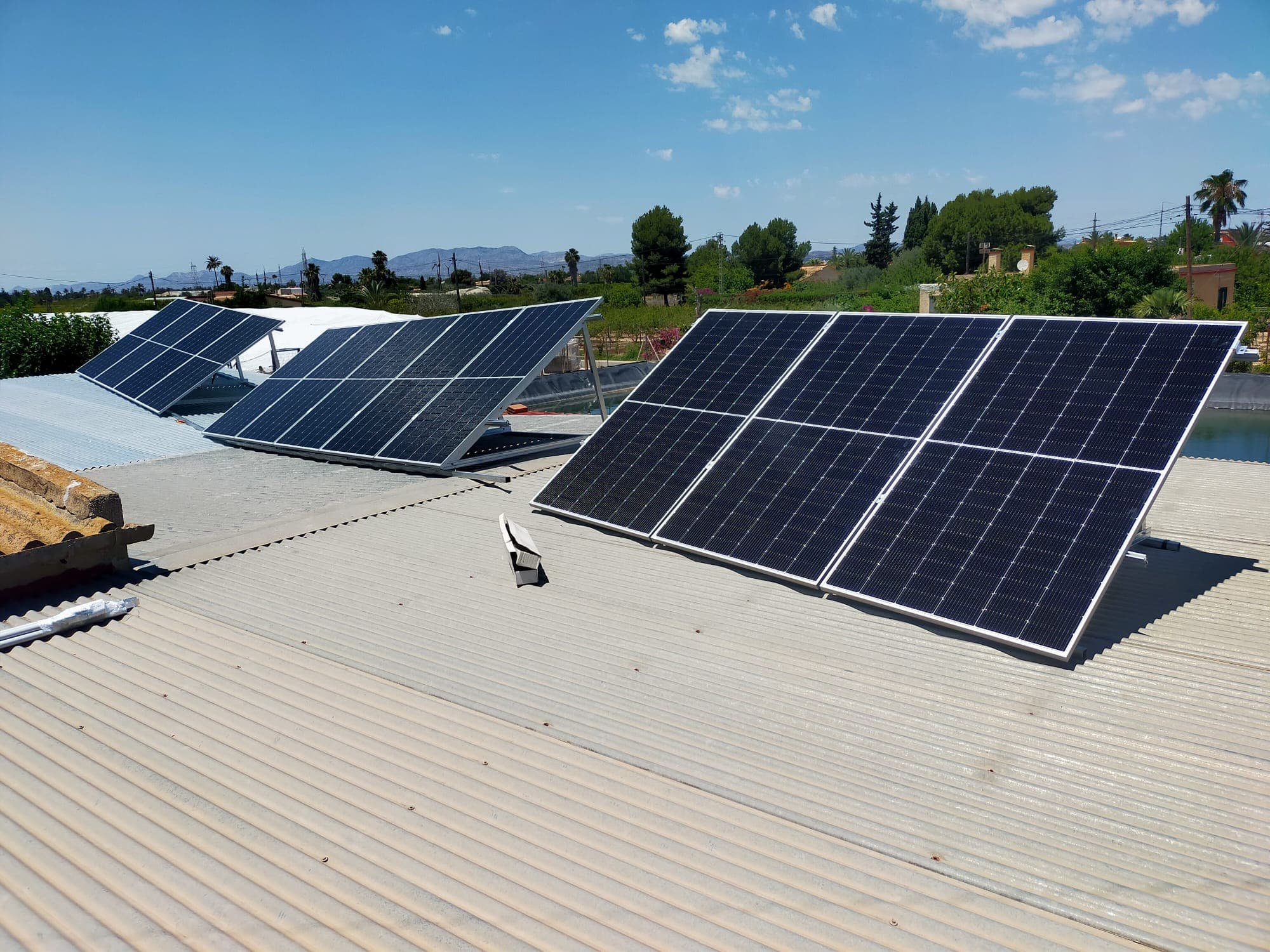
Solar panels last for decades, so the company that fits them matters more than the brand on the box. The Spanish market has many good installers and, as one of our customers put it, “quite a few cowboys” (Louisa B., Google review, translated from Dutch). This checklist helps you tell them apart, whoever you choose, and put two quotes next to each other fairly.
1. Are they allowed to do the work?
Electrical work on a home installation in Spain must be done by an authorised low-voltage electrical installation company (empresa instaladora habilitada en baja tensión). Ask for their registration, and check that the company that sells to you is also the one that installs, or who the subcontractor is. Ask whether they have liability insurance.
2. Did they look at your house?
A proper quote follows a visit. Someone should look at the roof, the structure where it can be seen, the shade, where the inverter can go and your electrical panel, and ask about your consumption. A quote made from a satellite photo alone misses the things that change the price and the design.
3. Is the design explained?
You should be able to see how many panels go where, which inverter, how the cables run and where they enter the house. Good installers ask you where things should go. One customer noted that the cabling entered the house in a single conduit, so it looked neat; details like that are agreed before, not discovered after.
4. Is the yield estimate honest?
A quote that promises savings should show how it got there: expected production for your roof, the share you are assumed to use yourself, and the prices used. Ask where the production figure comes from; a public tool like PVGIS is a good reference. Be wary of round numbers without assumptions, and of promises that your bill will go to zero. See are solar panels worth it.
5. What do the warranties cover?
There are usually three:
- Panel product warranty: against defects in the panel itself.
- Panel performance warranty: the output the panel will still deliver after a number of years.
- Inverter warranty: often shorter than the panels’.
On top of that, the installer’s own guarantee on the workmanship: the fixings, the roof penetrations, the wiring. Ask who you call when something goes wrong, and whether the installer handles manufacturer claims for you.
6. Who does the paperwork?
The town hall, the electrical certificate and registration, the distributor and the contract for exported power all need handling. Ask exactly what is included and who applies for what. This is where many projects stall. See what documents you need.
7. What happens afterwards?
Ask how you will follow production (an app is standard), what they do if production drops, and how quickly they respond. Reviews from existing customers say a lot about this; read the recent ones, not only the average.
Comparing two quotes
Put them side by side on the same assumptions. If one offers 4 kWp and the other 5 kWp, compare the price per kWp and ask why they differ. The table below lists what to line up. A cheaper quote that leaves out scaffolding, the export paperwork or work on the electrical panel is not cheaper. For what goes into a price, see how much solar panels cost in Spain.
Red flags
- A price over the phone, without a visit.
- Pressure to sign today for a discount.
- Savings or payback promised without assumptions.
- “Free” panels paid for by a finance contract you have not read.
- No clear answer on who handles the paperwork.
- A company that cannot show authorisation or insurance.
About us
We are a family-run installer. We survey every house before we quote, handle the paperwork, and set up the app with you. How we install is on solar panel installation; we work in and around Alicante and along the coast. If you want a quote to compare, ask for one.