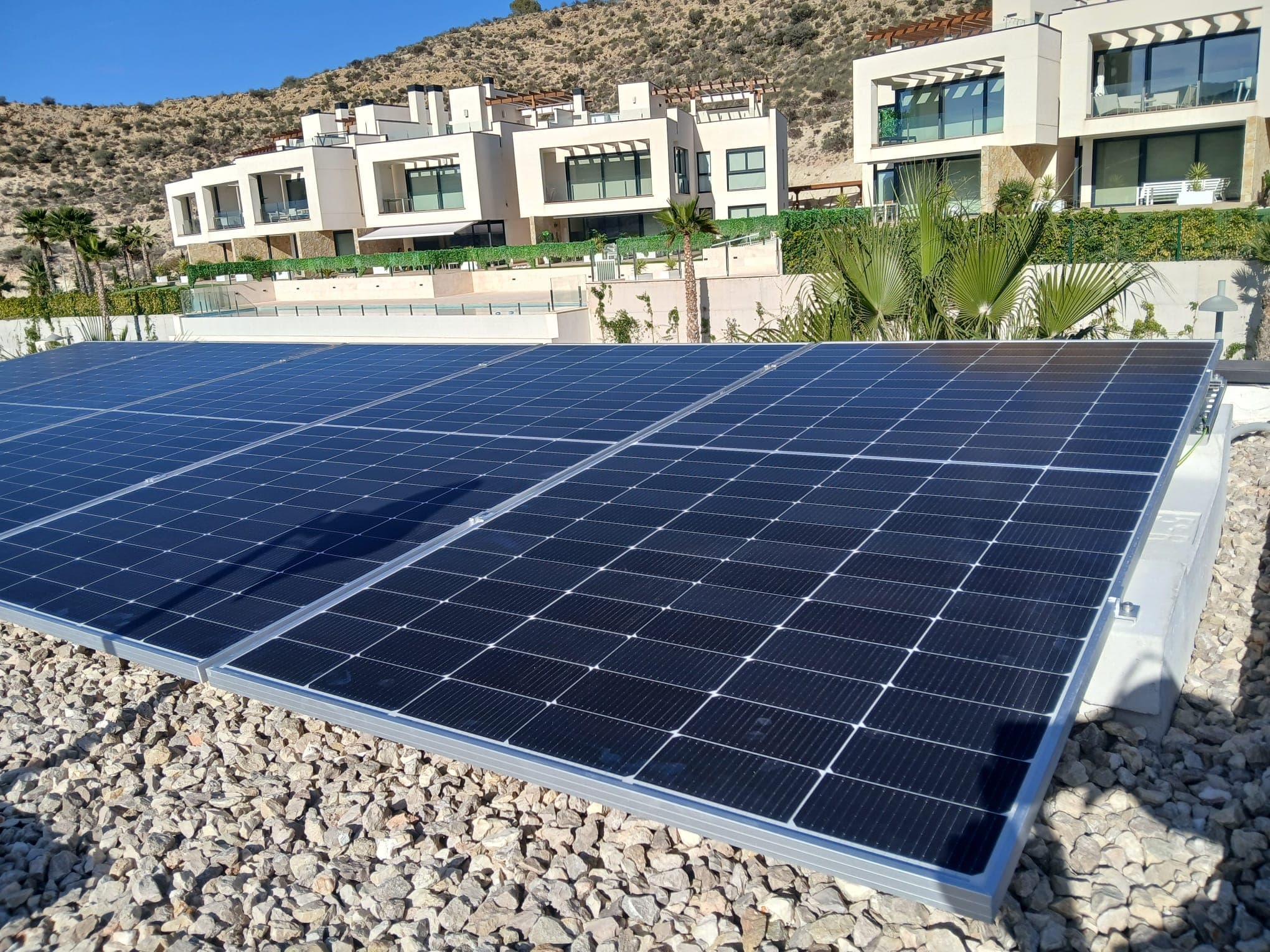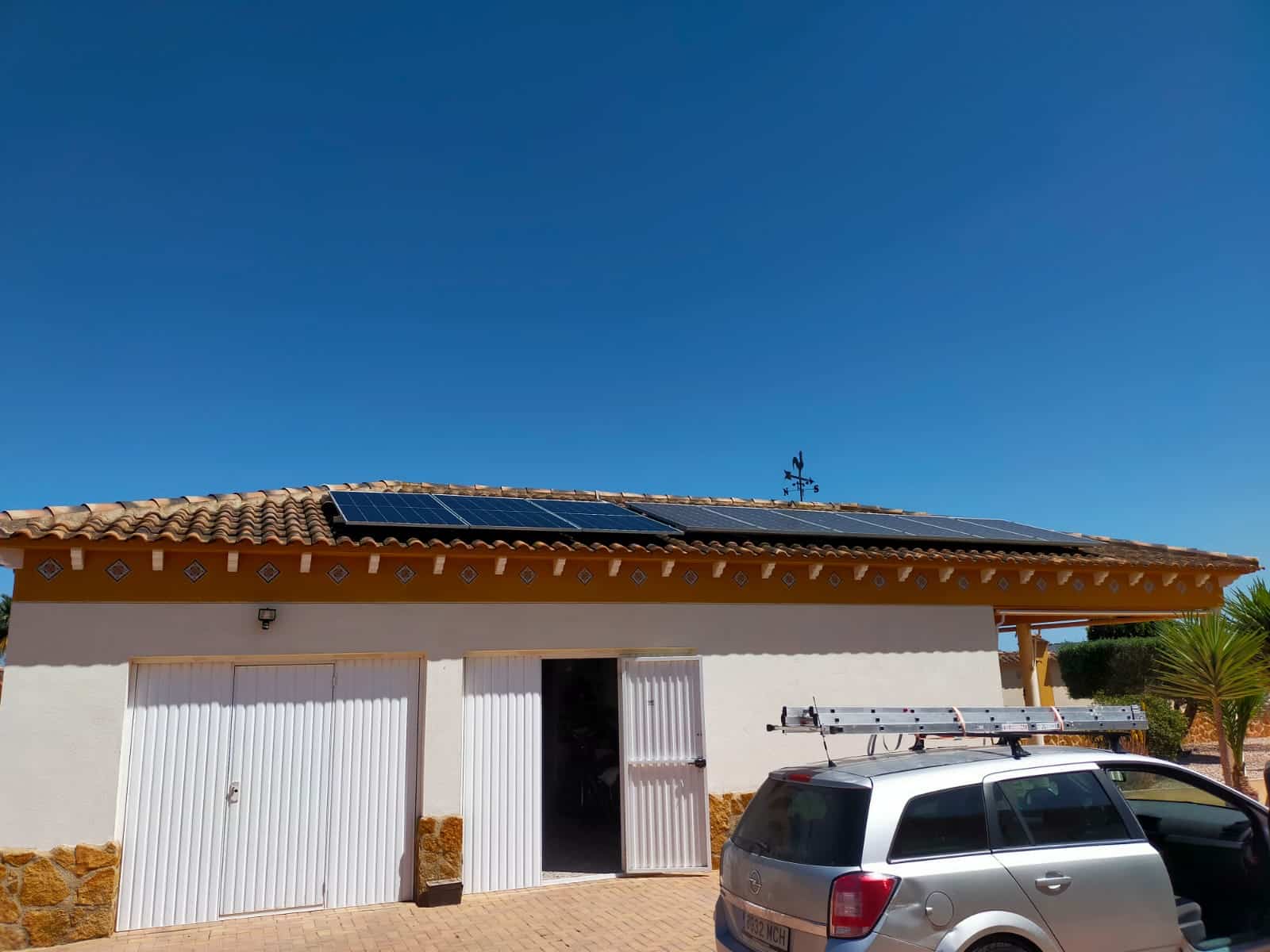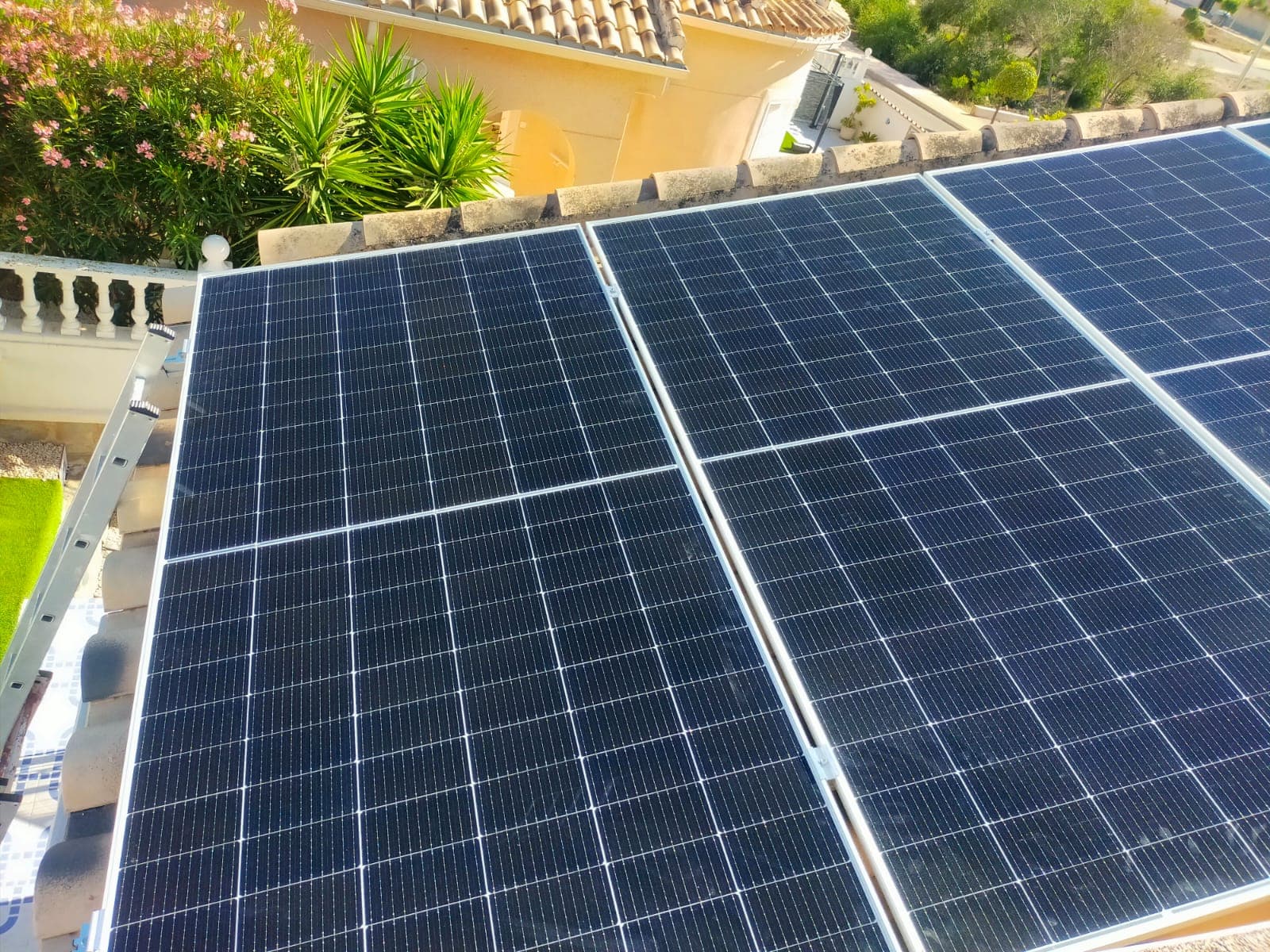
The part people picture, panels going onto the roof, is the shortest part. On a typical house our crew fits the panels, the inverter and the wiring in one working day. The time around it goes into paperwork with the town hall, the regional registration and the electricity companies, and those depend on others. So “how long” has two answers: a day on site, and a longer, variable period before and after it.
The stages
1. First contact and survey
You send your details and, ideally, your bills. We visit the house to look at the roof, the shade, the place for the inverter and the electrical panel. How soon that happens depends on our diary and yours.
2. Design and quote
From the survey and your consumption we design the system and put a written quote on paper. Changes are normal at this stage, for example moving panels to another roof face or adding room for a battery later.
3. Paperwork before installation
Depending on the municipality, the town hall needs to be notified or to give permission before work starts. If the roof is shared, the community of owners has to agree first, and some urbanisations have their own approval. This is the stage whose length we control least. See what documents you need.
4. Installation day
The crew arrives in the morning. On a straightforward roof they fit the mounting, the panels, the inverter, the cabling and the protection in a day, test the system and set up the app. Many customers mention this in their reviews:
“The complete installation (12 solar panels, inverter, battery, back-up box and connections) was carried out very skilfully by José and his two roof acrobats in one working day.”
Bernard V., Google review, translated from Dutch
“20 panels fitted, everything installed in one day.”
Sander Z., Google review, translated from Dutch
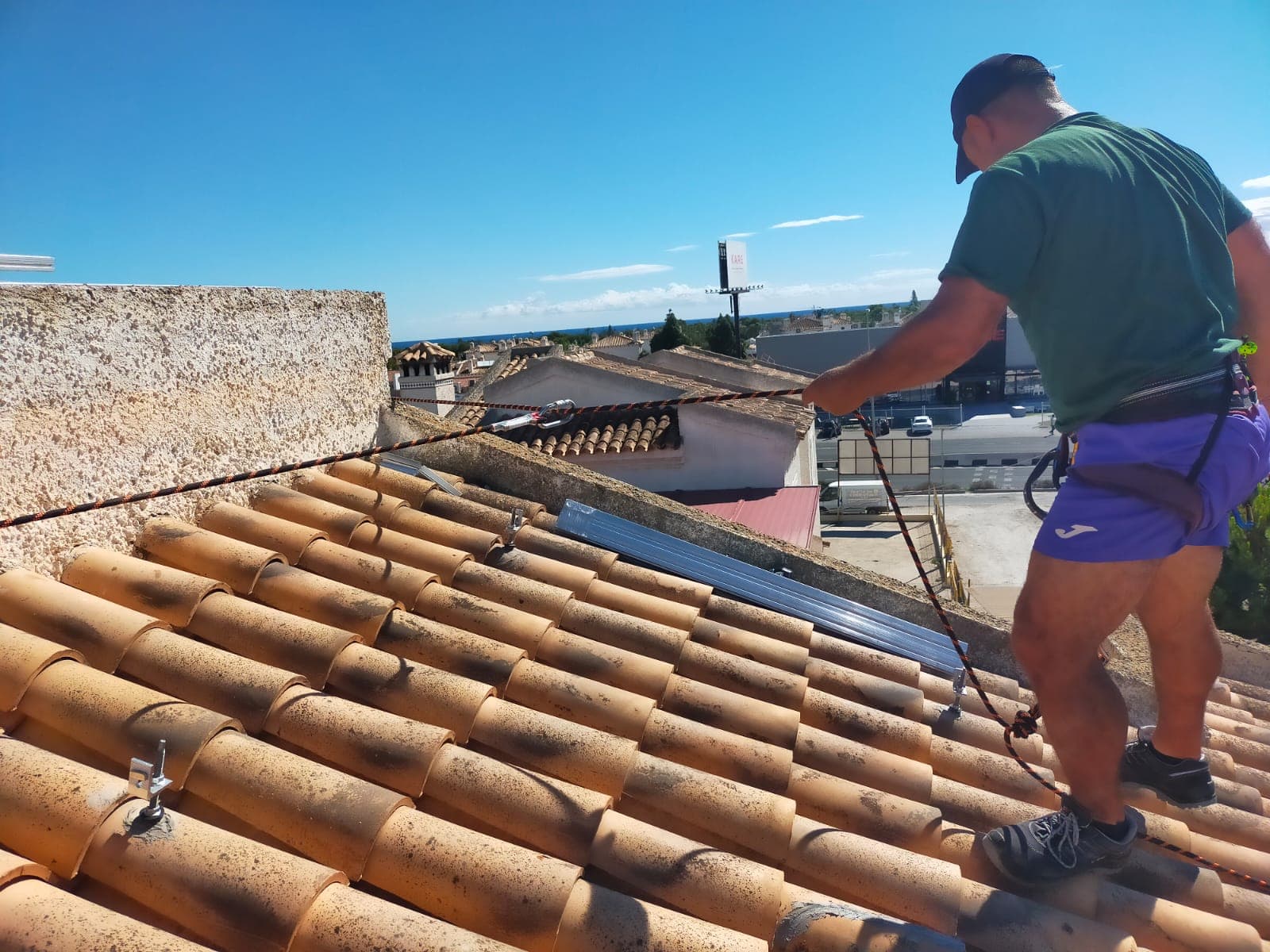
Larger systems, complicated roofs, extra structures or work on the electrical panel can take longer. Rain or strong wind can move the day, because working on a roof in those conditions is not safe.
5. Certificate and registration
After installation the installation is certified and registered with the regional authorities, which then passes it on to the national register and the distributor.
6. Switching on the export
For exported power to be credited on your bill, the distributor and your electricity retailer have to process the self-consumption registration and your contract has to be set up for it. Until then, the panels already supply the house; the credit for exported power follows when this stage is complete. Sometimes this is the moment to switch retailer; we help with that too.
What makes it take longer
- Municipalities that ask for a full permit rather than a notification, or that are slow to respond.
- A community of owners that has to vote, or an urbanisation that has to approve.
- A roof that needs repair before panels go on.
- Equipment that has to be ordered specially.
- A busy period at the distributor or the retailer.
None of these is in anyone’s full control, which is why we do not promise a fixed number of weeks. We tell you where your project stands at each stage.
How the day itself goes
For those who want to know what happens on the roof: the crew fixes hooks to the structure under the tiles, or places frames on a flat roof; mounts the rails; fixes the panels; runs the cables to the inverter, mounted in a shaded and ventilated spot; connects the inverter to your electrical panel through the required protection; checks the earthing; tests the system; and shows you the app. Afterwards the site is cleaned up. More on the method on solar panel installation.
Choosing who does it
Speed on the day matters less than whether the paperwork is handled well. How to choose a reliable solar installer has a checklist. When you are ready, ask for a quote.