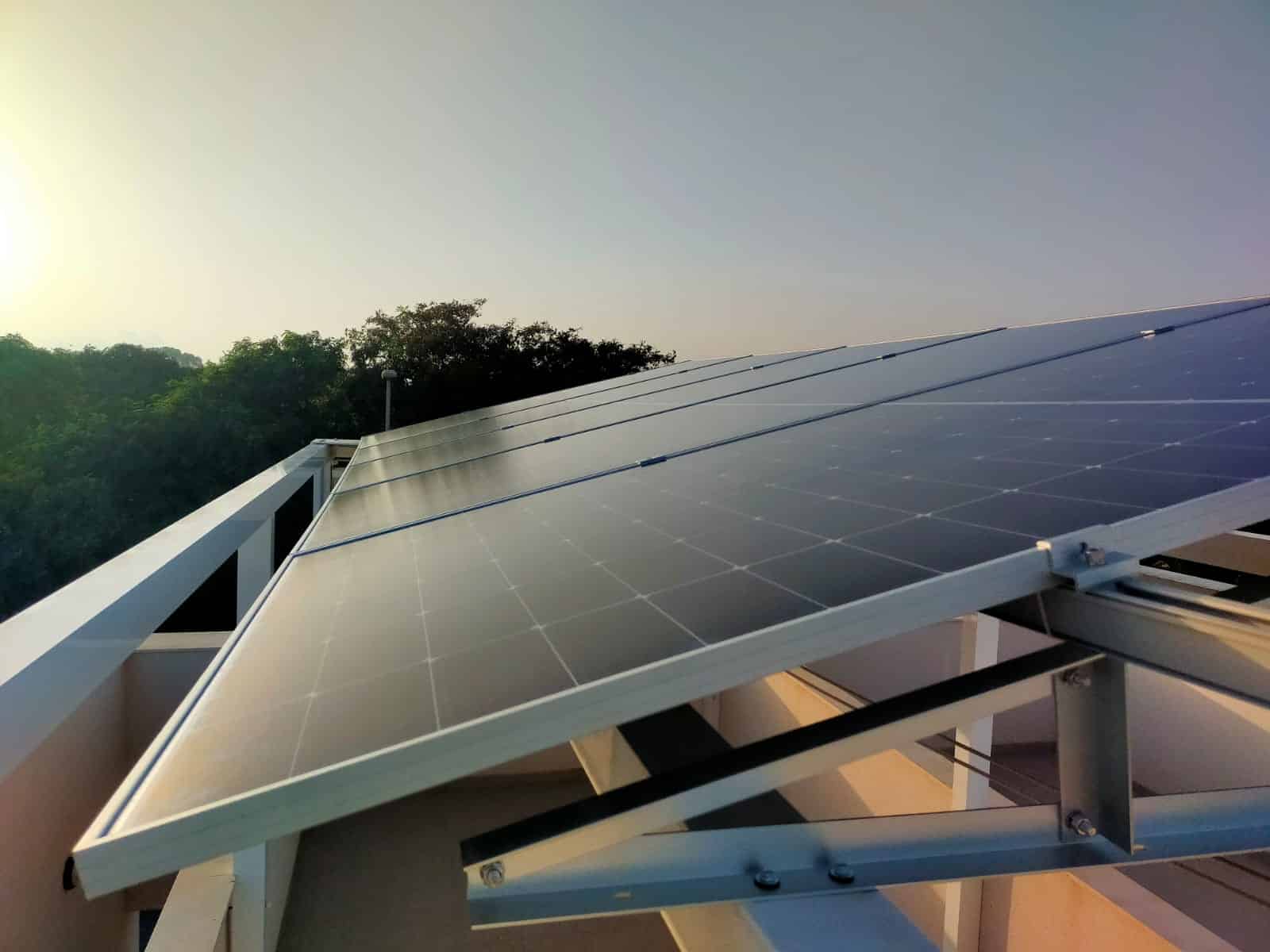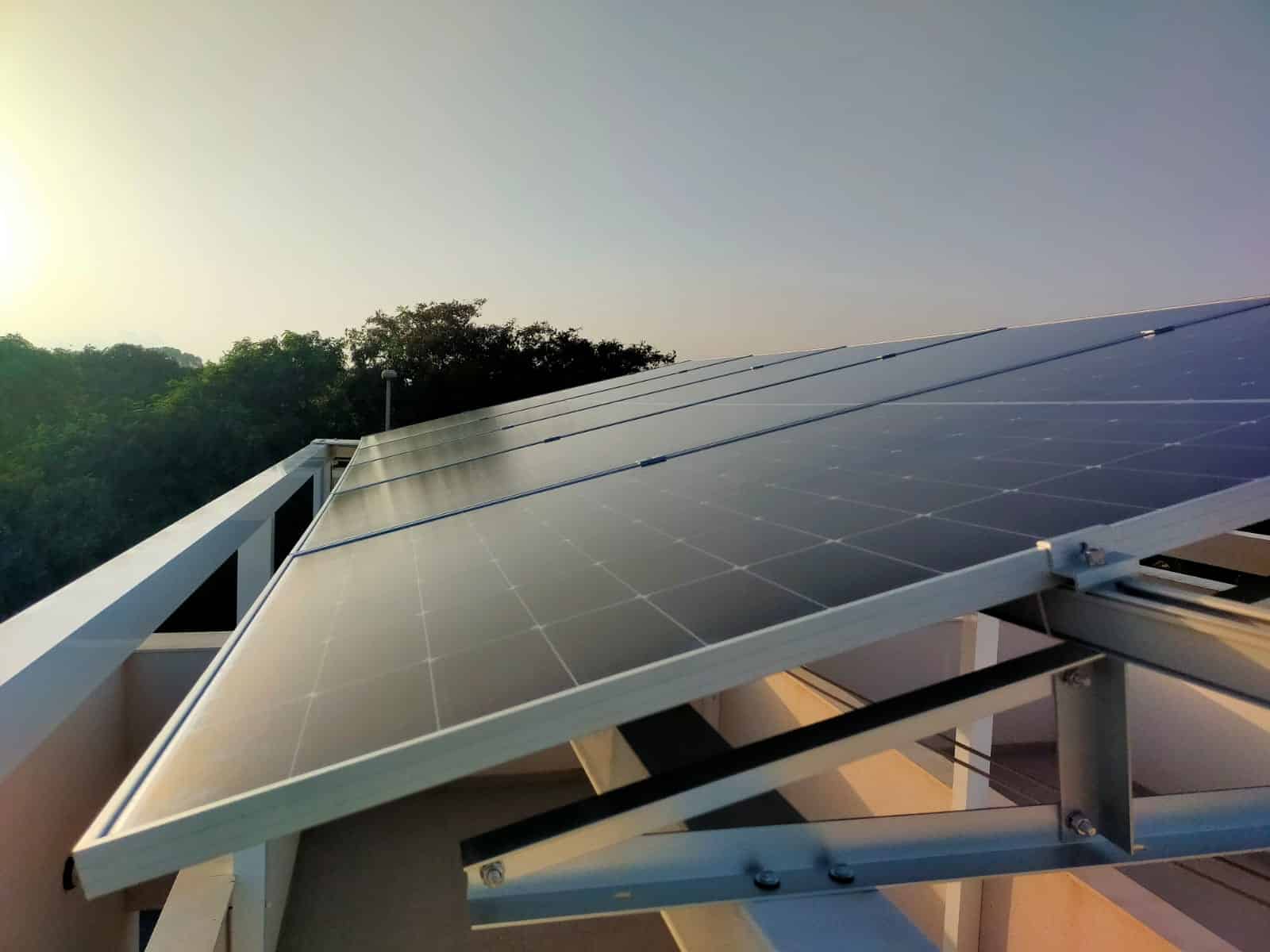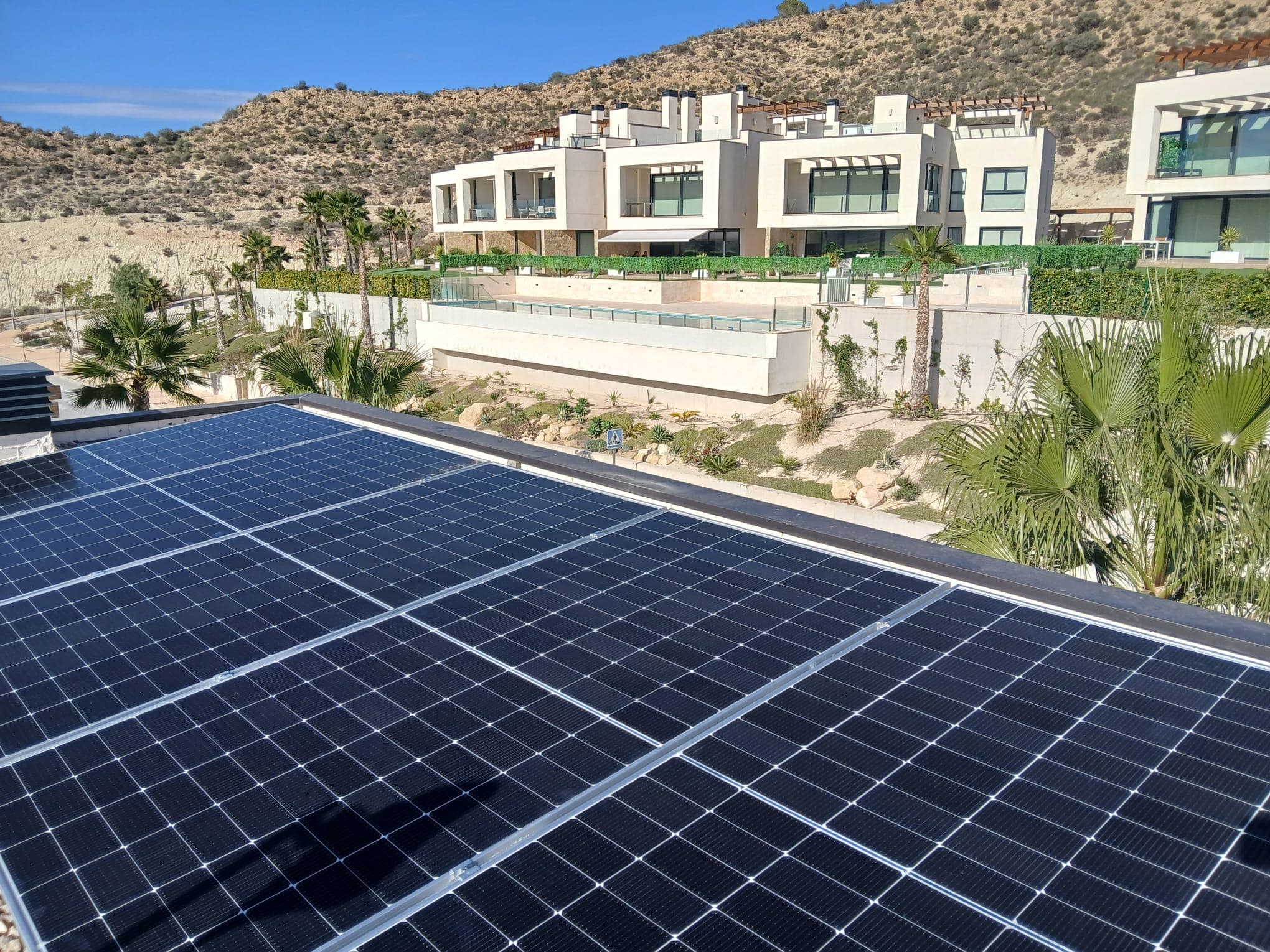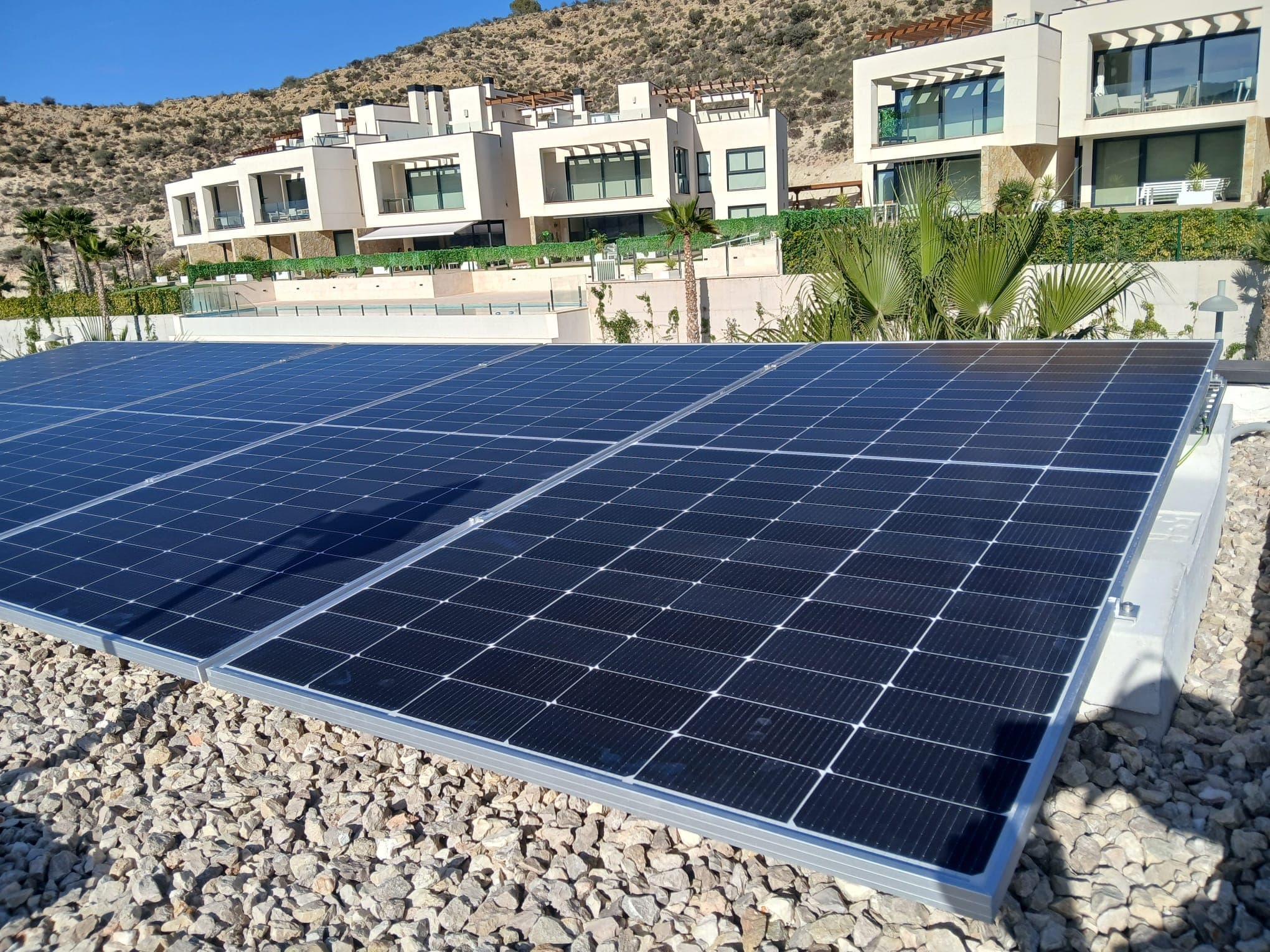
Solar inverters act as the central control unit of a solar system, converting the electricity from the panels into a form your home can use. Without an inverter, the energy generated by the panels cannot be integrated into your household circuits.
Panels produce direct current, which is not compatible with standard appliances in Spain. The inverter transforms this current into alternating current and synchronizes it with the grid. In regions like Costa Blanca and Alicante with strong sunlight, the inverter also helps regulate performance during temperature changes and peak production hours. Its role influences system stability, daily output and long-term safety.
What is the inverter’s main function?
The inverter converts direct current from the panels into alternating current for household use.
Every solar system relies on this conversion process to make panel-generated electricity usable. In addition to converting electricity, the inverter ensures that voltage and frequency match the requirements of the public grid. This prevents electrical instability and supports consistent energy flow. Without this regulation, the solar system cannot operate safely or efficiently.
- Converts direct to alternating current.
- Aligns output with grid frequency.
- Ensures electrical compatibility.
- Supports stable daily operation.
This makes the inverter a core component of the system.
How does the inverter manage grid connection?
The inverter synchronizes the system with the grid so that electricity can flow in both directions.
When panels produce energy, the inverter ensures that the electricity is safely delivered to the home’s circuits. If production exceeds consumption, the inverter routes the surplus to the grid. Smart meters record exported electricity for compensation. Inverters also shut down automatically if the grid goes offline to protect utility workers.
- Synchronizes voltage and frequency.
- Allows surplus to be exported.
- Coordinates with smart meter readings.
- Disconnects automatically during outages.
This keeps the system aligned with national safety rules.
Why does inverter placement matter?
Placement influences temperature control, cable routing and long-term performance.
Inverters work most efficiently in shaded, ventilated spaces. High temperatures can reduce performance slightly, which makes placement especially important in warm regions like Costa Blanca. Installers often choose walls inside garages, utility rooms or covered exterior areas. Good ventilation helps maintain stable operation throughout the year.
- Ventilation improves performance.
- Shaded areas reduce heat exposure.
- Placement affects cable length and routing.
- Indoor or sheltered locations are preferred.
This supports consistent output in hot climates.
How do inverters monitor system performance?
Inverters collect data on production, efficiency and system status.
Most modern inverters include monitoring tools that track real-time and historical output. These tools help homeowners understand how sunlight, shading and environmental factors affect daily production. Alerts may appear when the inverter detects irregularities, making it easier to identify potential issues early. Monitoring also offers insight into seasonal trends and long-term performance patterns.
- Displays real-time production.
- Shows historical graphs.
- Detects irregularities or warnings.
- Supports system evaluation.
This makes it easier to understand system behavior.
Are there different types of inverters?
Yes, different inverters support different installation conditions and roof layouts.
String inverters are common for homes with large, uniform roof surfaces. Micro-inverters are often used when panels face different directions or experience uneven shading. Hybrid inverters support battery storage if future expansion is expected. Each type offers specific advantages depending on the home’s structure and production patterns.
- String inverters for uniform layouts.
- Micro-inverters for varied orientations.
- Hybrid inverters for storage systems.
- Models vary in monitoring features.
This ensures flexibility when designing a system.
Frequently asked questions
Do all solar systems require an inverter?
Yes, every grid-connected system needs an inverter to convert direct current into alternating current. This process is essential for home and grid use.
Does inverter efficiency affect total production?
Yes, inverter efficiency influences how much of the generated energy can be used. Higher efficiency models help retain more of the electricity produced by the panels.
Are micro-inverters better than string inverters?
Micro-inverters are useful on roofs with shading or multiple orientations. String inverters work well on larger, uniform surfaces. The best choice depends on roof conditions.