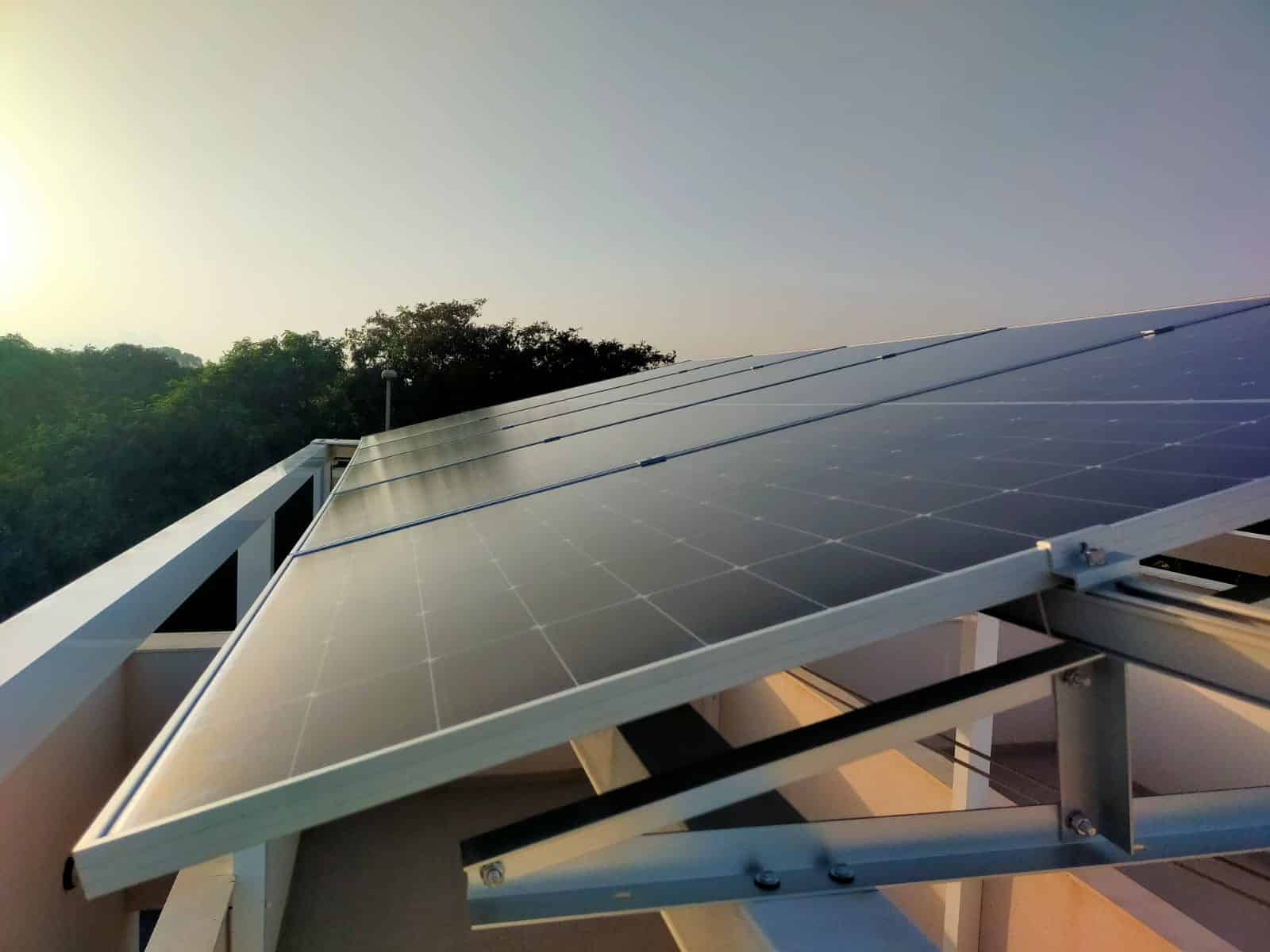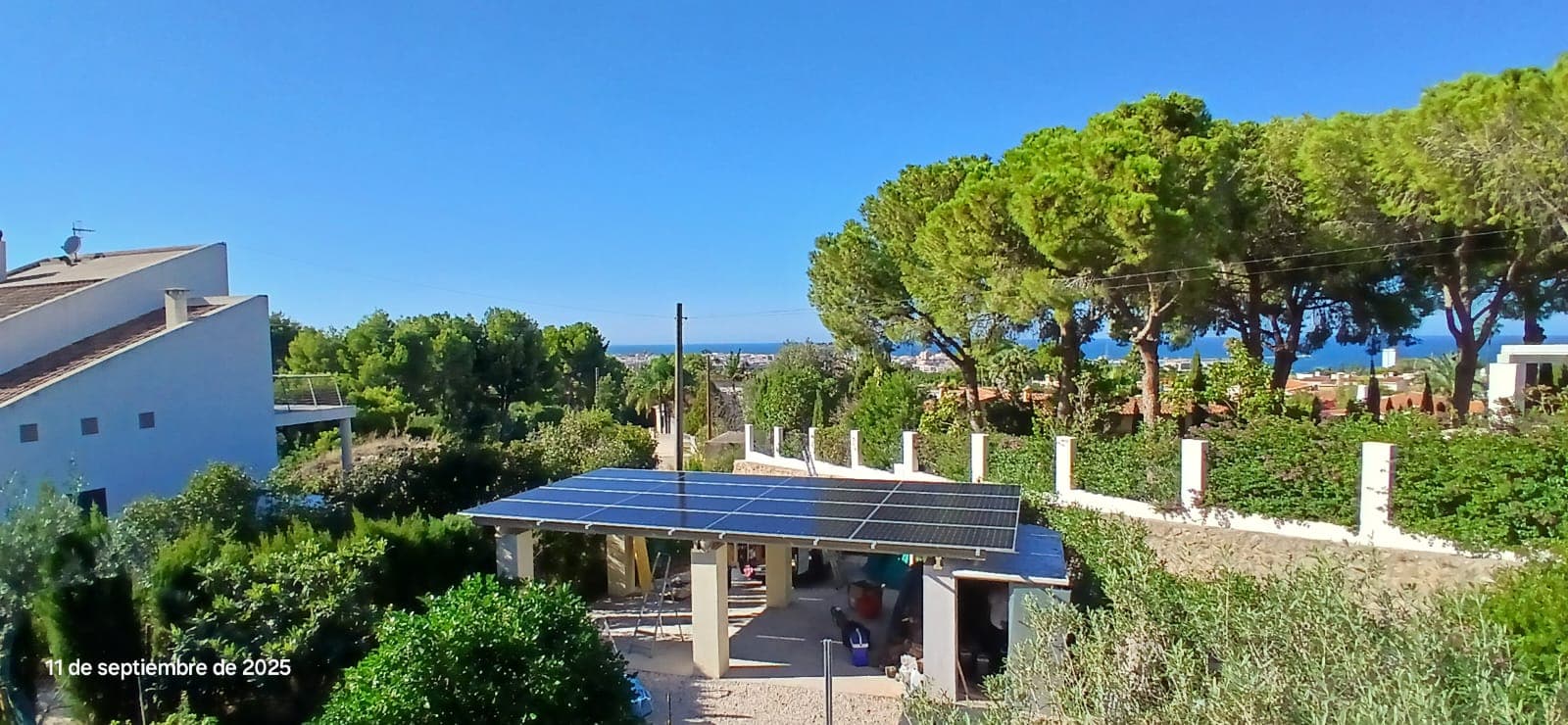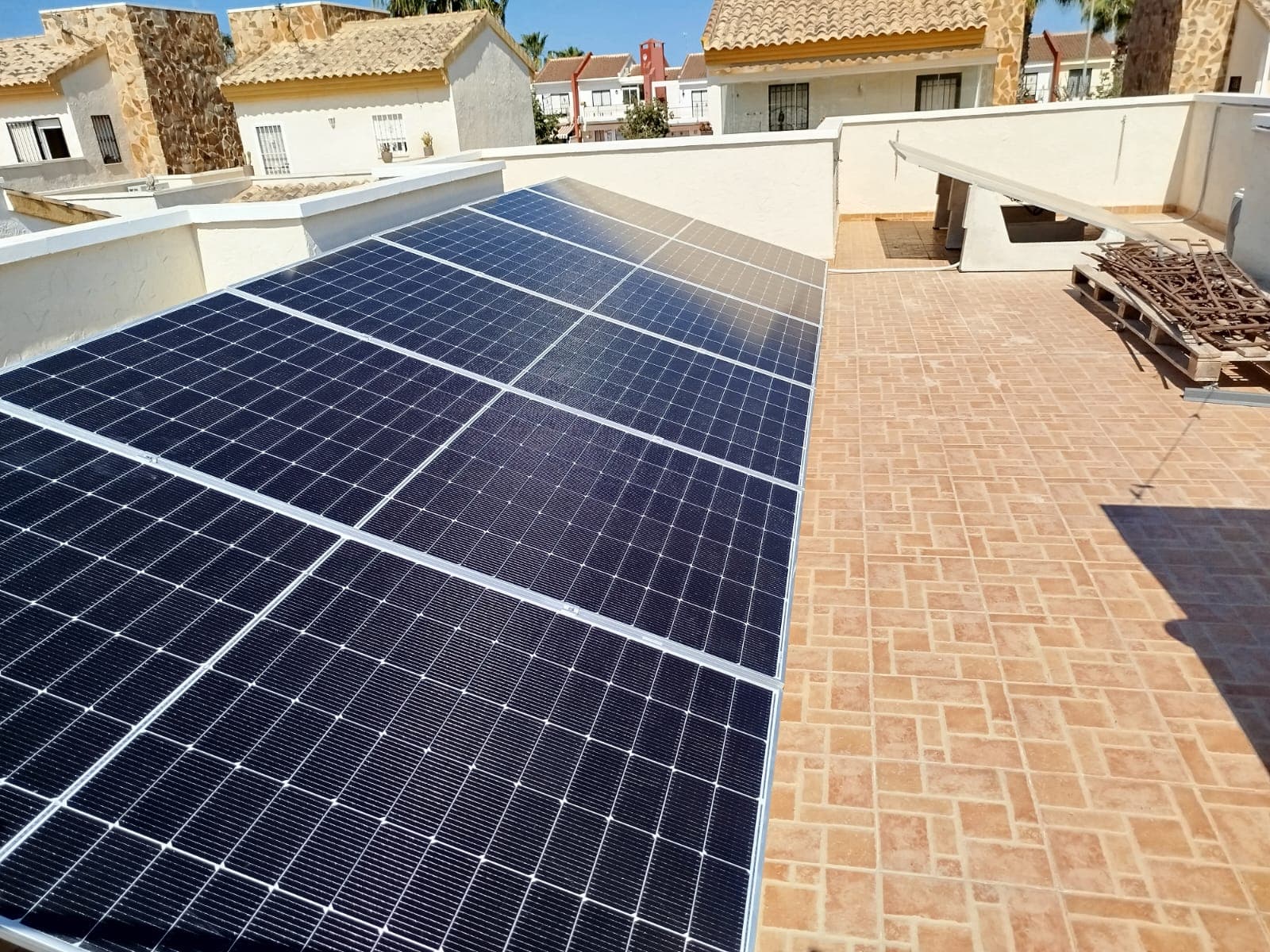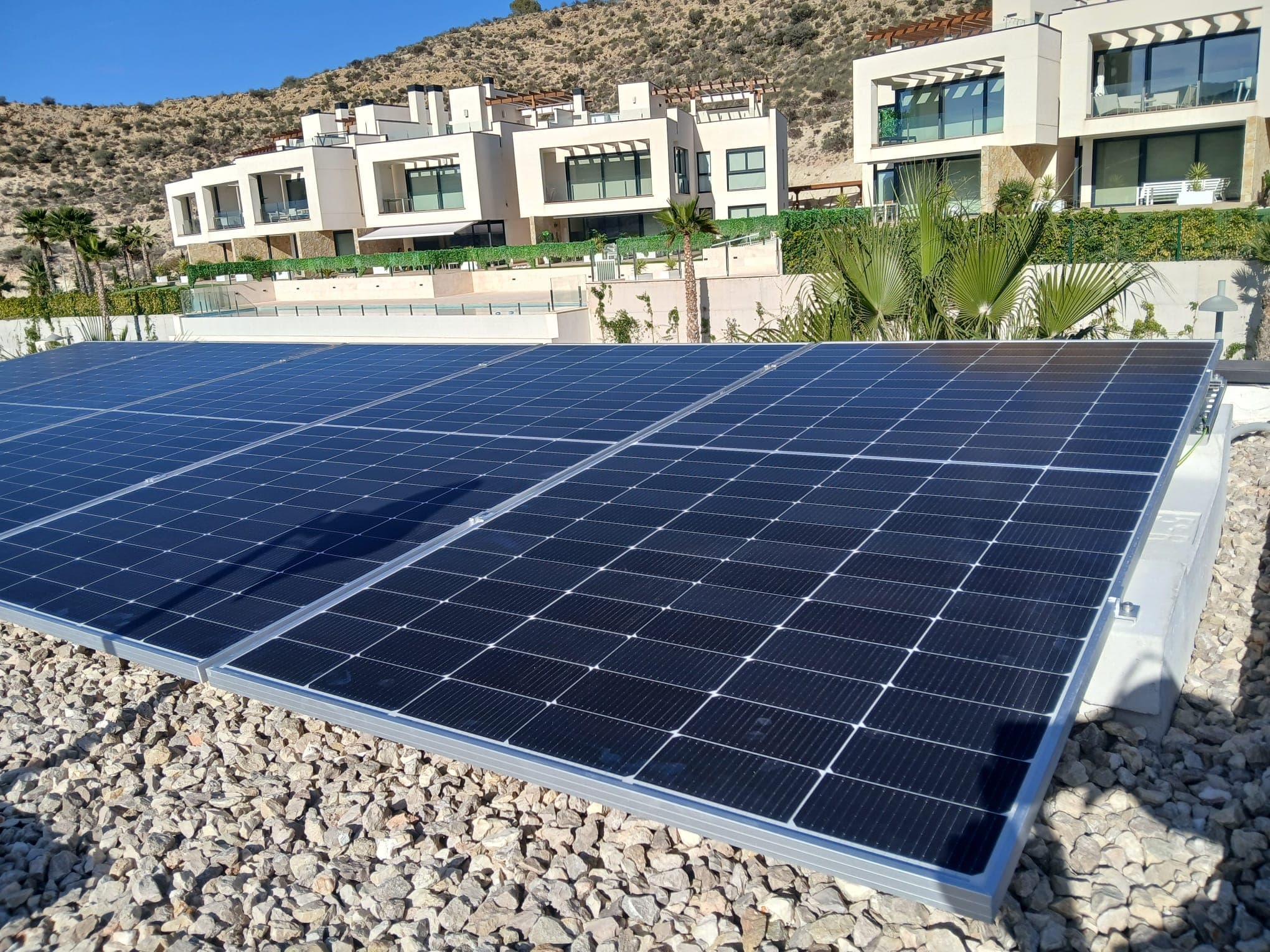
Shading and panel orientation directly influence how much electricity a solar system can generate. Even in sunny regions like Costa Blanca and Alicante, these two factors determine how consistently panels receive sunlight throughout the day.
Orientation affects how long panels are exposed to direct sunlight, while shading can interrupt production at specific times. Homes in Spain benefit from strong solar intensity, but proper placement ensures that the system captures as much energy as possible. Understanding how shadows move and how the roof is positioned helps optimize total output across the year.
Why is orientation so important for solar production?
Orientation determines the angle at which sunlight reaches the panels during the day.
In Spain, south-facing panels typically receive the most stable sunlight exposure. East-facing panels work well for morning production, while west-facing panels provide stronger output in the afternoon. North-facing roofs receive less direct light and are therefore less commonly used. The chosen orientation influences the energy curve and the balance between morning and afternoon production.
- South-facing offers the highest overall exposure.
- East-facing boosts morning production.
- West-facing improves afternoon consistency.
- North-facing roofs are less optimal.
This helps determine how panels should be arranged.
How does shading affect daily production?
Shading reduces electricity generation because panels operate best under consistent light.
Shadows from trees, nearby buildings, chimneys or roof structures can interrupt production for short or extended periods. Short shadows may only affect output briefly, while recurring shadows can impact performance every day. Identifying when shading occurs helps installers adjust panel placement so that the most productive areas are prioritized.
- Shadows reduce available sunlight.
- Chimneys and roof features cause localized shading.
- Trees create seasonal shadow variations.
- Consistent shading lowers daily output.
This shows why shading assessment is important.
Does partial shading affect all panels?
Partial shading can influence either individual panels or larger parts of a string, depending on system design.
String inverter systems link panels in series, meaning one shaded panel may affect the performance of others in the same string. Micro-inverters or optimizers limit this impact by allowing each panel to operate independently. Installers choose the most suitable configuration based on roof shape, shading risks and orientation patterns.
- String inverters share shading impact across panels.
- Micro-inverters isolate shading to one panel.
- Optimizers reduce performance loss.
- System design depends on roof conditions.
This helps manage shading more effectively.
How do seasonal changes influence shading?
Seasonal sunlight angles affect how shadows move across the roof throughout the year.
In winter, the sun is lower, which can create longer shadows from trees and buildings. In summer, shadows become shorter and less intrusive, providing stronger production for most of the day. Understanding seasonal patterns allows installers to estimate yearly performance accurately and identify which roof sections remain consistently productive.
- Winter shadows are longer.
- Summer sunlight is more direct.
- Shading patterns shift seasonally.
- Seasonal mapping improves planning.
This creates a more accurate picture of expected output.
How do installers optimize orientation and shading?
Installers analyze roof angles, shadow patterns and panel layout options to maximize efficiency.
Tools are often used to measure shading at different times of day, and layouts are chosen based on where sunlight is most consistent. If certain areas receive shade during key hours, installers may adjust the array or use components that reduce shading impact. Orientation and shading are evaluated together to create the most balanced configuration.
- Shading tools map daily exposure.
- Roof angles determine optimal direction.
- Layouts adjust to reduce shading impact.
- Panel orientation supports stable production.
This results in more predictable daily performance.
Frequently asked questions
Can a system still perform well with some shading?
Yes, systems can still perform effectively if shading occurs only briefly or affects small roof sections. System design helps minimize impact.
Is south-facing orientation always necessary?
No, east- and west-facing roofs can also provide strong production. They simply offer different daily output patterns.
Do seasonal shadows reduce overall yearly production?
Seasonal shadows affect specific periods but do not typically limit overall yearly output. Production remains high during long sunny periods.